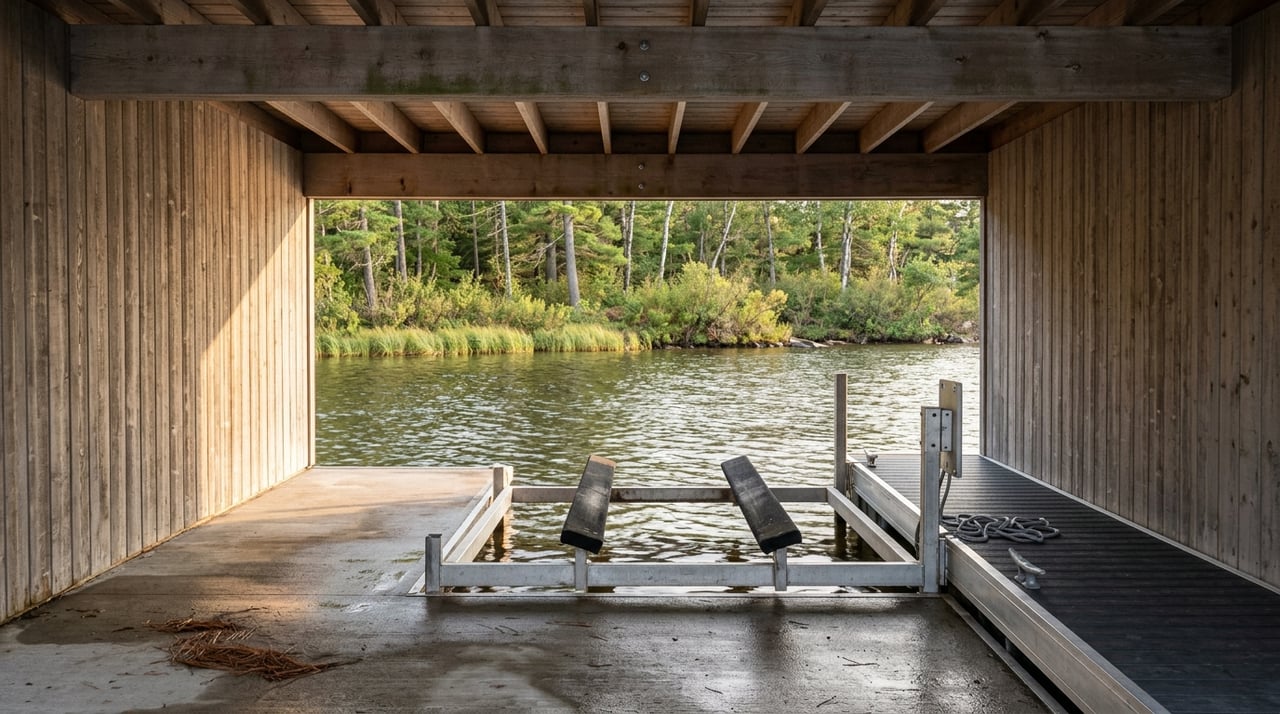
Dreaming about a lake where you can spend the morning cruising open water, the afternoon at the beach, and the evening tucked into a quieter bay? Big Cormorant Lake has that kind of draw. If you are exploring lake property in the Detroit Lakes area, it helps to understand how this lake actually lives day to day, season to season, and shoreline to shoreline. Here’s a closer look at what makes Big Cormorant feel so special and what you should know as a buyer or seller. Let’s dive in.
Big Cormorant has a big-water feel
Big Cormorant Lake stands out for its scale and shape. According to a Minnesota watershed report, the lake spans 3,657 acres, reaches depths of up to 75 feet, and has 18.7 miles of shoreline.
What that means for you is simple. This lake feels expansive, but it does not feel one-note. Its complex shoreline creates a mix of open-water views, active boating areas, and more sheltered pockets that can feel a little more tucked away.
That variety is a big part of the appeal. You can enjoy the energy of a busy summer lake while still finding corners that feel calm and protected.
Bays and shoreline areas shape the experience
One of the most useful ways to understand Big Cormorant is to think about it as a main basin with many distinct bays and shoreline sections. Public-facing lake maps identify areas including Viking Bay, North Shore West, North Shore East, Jardine Beach, Trade Winds, Glyndon Bay, Blue Water Bay, Arrow Lake, Pikes Bay Shores, Spring Creek Bay, Seclusion Point, Nelson Bay, and Cormorant Park Place.
For buyers, those names matter because they hint at how different one stretch of shoreline can feel from the next. Some areas are more tied to access points and lake activity, while others read as more protected and quiet based on their position on the map.
That does not mean one section is better than another. It means your best fit depends on how you want to use the lake, whether that is hosting family boat days, swimming off the dock, or enjoying a little more separation from the busiest routes.
Main-water living
If you love broad views and a classic summer-lake atmosphere, the main basin and more access-adjacent areas may be what draw you in. These stretches often connect more directly to the social rhythm of the lake, from cruising to community events.
They can also offer that signature “big lake” look many waterfront buyers want. For some owners, that open exposure is exactly the point.
Quieter bay living
Areas with names like Seclusion Point, Spring Creek Bay, and Nelson Bay suggest a different pace. Based on the shoreline map and access pattern, these sections may feel more tucked away than the busier parts of the lake.
For buyers who value calmer water, a softer shoreline setting, or a bit more privacy in daily use, these pockets are often worth a closer look. On a lake like Big Cormorant, small location differences can shape your whole experience.
Beaches are part of the lifestyle
Big Cormorant is not just about boating. It also has a strong beach-and-swim culture, which is part of what makes it attractive for both seasonal and year-round owners.
The lake association highlights beach areas across multiple shoreline districts, and the lake is widely described as clean and recreation-oriented. That reputation matches the kind of memories many buyers are chasing, with sandy feet, swim days, and long afternoons by the water.
Clarity is part of that story. The lake association’s 2026 lake information reports Secchi readings of 36 to 40 feet in Pikes Bay and Big Cormorant, supporting the bright, clear-water feel people often notice here.
Boating is central on Big Cormorant
If you picture lake life with a boat at the dock, Big Cormorant fits the image well. Public access is a major part of the lake story, and Becker County water access resources, county AIS reporting, and lake association materials all point to a well-used boating environment.
Locally recognized access references include west, north, and northeast points. The association’s boat parade begins at the North Public Access, and community materials also reference routes tied to west and northeast access locations.
This all supports the idea that Big Cormorant is an active, social boating lake. During peak season, you should expect movement on the water, especially near access-related routes and popular gathering areas.
Know that water levels matter
Big Cormorant has an unregulated water level, and the watershed report notes variation of 10.3 feet since 1953. Even in a lake that feels broad and open, water level changes can affect how certain shoreline areas and smaller coves behave.
A good example comes from lake association board minutes, which noted that the opening to Bull Frog Bay was closed during a low-water year. That is a helpful reminder that some parts of the lake can feel more seasonal or water-level dependent than others.
If you are buying, this is one more reason to look beyond the photos. Dock setup, shoreline depth, and bay access can all matter in practical ways.
Lake culture feels social and stewardship-minded
Some lakes are beautiful but disconnected. Big Cormorant feels different because there is a visible culture around the lake itself.
The Big Cormorant Lake Association reports more than 300 members, including seasonal owners, year-round owners, and local business members. It also highlights events and efforts such as Spring Fling at YMCA Camp Cormorant, a 4th of July boat parade, beach captains, water testing, shoreline stewardship, and Adopt-a-Highway work.
That tells you something important as a buyer or seller. This is a lake where people care about both lifestyle and stewardship.
For owners, that often shows up in simple but meaningful ways. Think dock visits, parade watching, swim days with family, and neighbors who pay attention to the long-term health of the water.
Ownership on a high-use lake comes with responsibility
Big Cormorant is a high-use lake, and Becker County AIS materials identify it as zebra mussel infested. That makes prevention habits and watercraft care part of responsible ownership here.
County guidance says boaters must clean watercraft and gear, drain all water, leave drain plugs out during transport, and dry gear before launching in another water body. For owners, that is not just a rule set. It is part of protecting the lake experience over time.
If you own a dock, lift, or boat, inspection and maintenance routines matter too. On a lake this active, stewardship is part of everyday lake life.
What buyers should look for on Big Cormorant
If you are searching for property on Big Cormorant, it helps to match the shoreline to your lifestyle instead of focusing only on the house.
A few questions can help guide the search:
- Do you want open-water views or a more protected bay setting?
- Will you spend more time boating, swimming, or simply relaxing at the dock?
- Do you want to be near more active parts of the lake or in a quieter pocket?
- How important are water depth, dock conditions, and seasonal water-level changes?
- Are you looking for a turnkey cabin, a year-round lake home, or a vacant lot to build around your priorities?
These are the kinds of details that shape long-term satisfaction. On Big Cormorant, location on the lake can matter just as much as the property itself.
What sellers can highlight
If you are preparing to sell on Big Cormorant, the strongest marketing usually goes beyond square footage and bedroom count. Buyers are often shopping for a shoreline experience as much as a home.
That means the most effective listing story may include the property’s water exposure, boating access, beach potential, dock lifestyle, and how the setting feels during summer. A property on a social stretch of shoreline may appeal to one buyer, while a more tucked-away bay location may appeal to another.
This is where local lake knowledge matters. Big Cormorant is not a one-style lake, and thoughtful positioning can make a real difference in how your property is perceived.
Why Big Cormorant stands out
Big Cormorant offers something many buyers want but not every lake can deliver. It blends a large, energetic summer-lake feel with enough bays, pockets, and shoreline variety to give different owners very different experiences.
You get boating, beaches, clear-water appeal, and a strong sense of lake culture. You also get the practical realities of a well-loved, high-use lake where access, stewardship, and water levels are all part of the ownership picture.
If that mix sounds like your kind of lake life, Big Cormorant is worth a closer look. And if you want help understanding which stretch of shoreline best fits your goals, working with a local lake specialist can save you time and help you buy or sell with more confidence.
If you are thinking about buying or selling on Big Cormorant Lake, Monica Kaiser can help you navigate the shoreline, the lifestyle, and the market with local insight built over decades.
FAQs
What is Big Cormorant Lake known for?
- Big Cormorant Lake is known for its big-water feel, clear water, active boating scene, beach and swimming appeal, and a mix of open shoreline and quieter bays.
What should buyers know about Big Cormorant Lake shoreline?
- Buyers should know that Big Cormorant has a complex shoreline with many named bays and districts, so the experience can vary a lot depending on whether you choose open water, an access-adjacent area, or a more sheltered pocket.
Is Big Cormorant Lake good for boating?
- Yes. Public access points, community boating events, and county high-use designations all support Big Cormorant’s reputation as an active boating lake.
How clear is the water on Big Cormorant Lake?
- The Big Cormorant Lake Association’s 2026 lake information reports Secchi readings of 36 to 40 feet in Pikes Bay and Big Cormorant.
Do water levels affect Big Cormorant Lake use?
- Yes. Big Cormorant has an unregulated water level, and lower-water periods can affect some smaller coves and openings, as shown by the reported closure of the Bull Frog Bay opening during a low-water year.
What should owners do to protect Big Cormorant Lake?
- Owners and visitors should clean watercraft and gear, drain water, leave drain plugs out during transport, dry gear before using it elsewhere, and stay attentive to dock, lift, and boat inspection practices on this high-use lake.