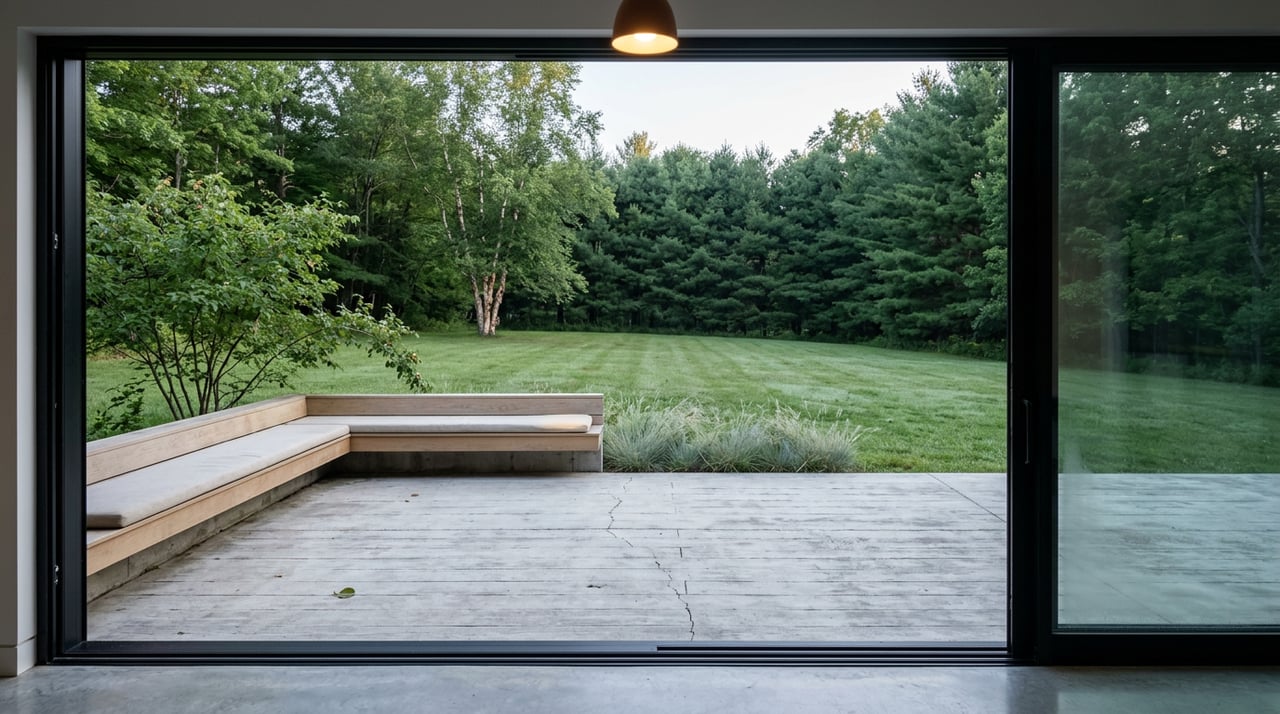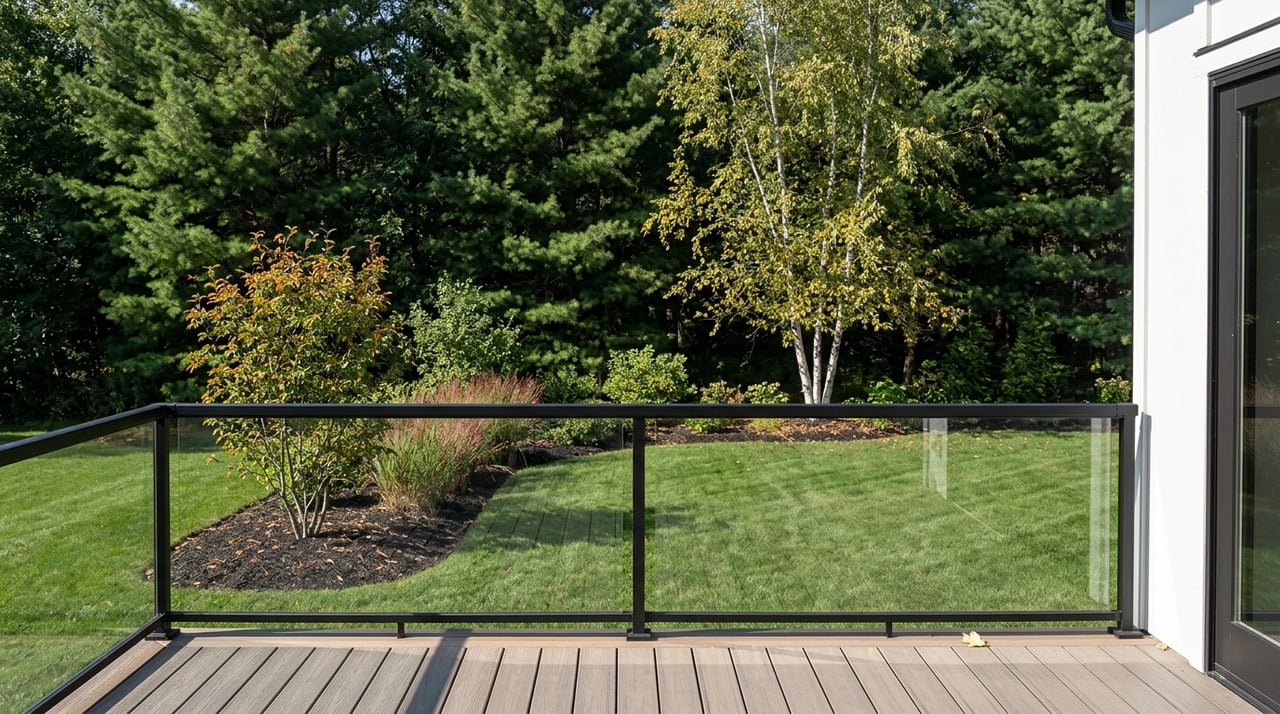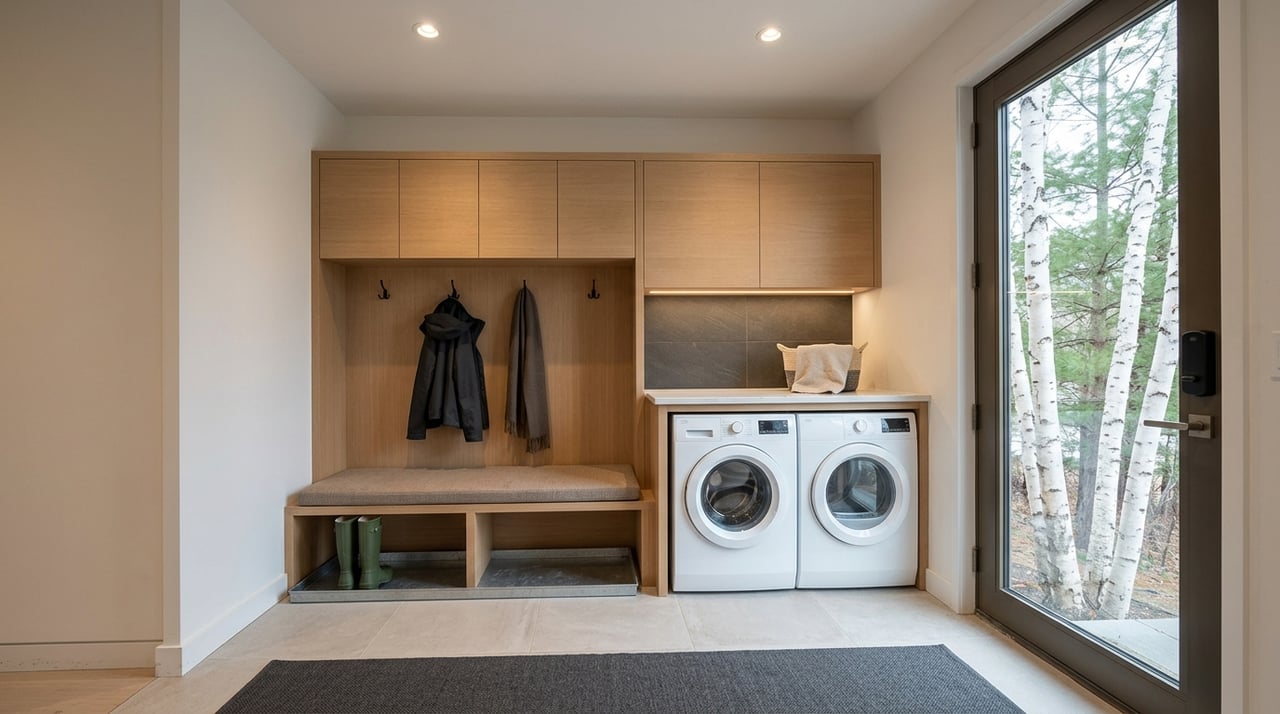
Dreaming about a Pelican Lake cabin that helps pay for itself? You are not alone. For many buyers, the appeal is simple: enjoy lake life with family and friends, then offset some ownership costs with short-term rental income. The key is knowing that Pelican Lake is not a plug-and-play rental market. It is a seasonal, regulation-driven, amenity-sensitive market where the right property and the right setup matter. In this guide, you will see what drives demand, what county rules require, and what features can make a Pelican Lake property more competitive. Let’s dive in.
Pelican Lake market basics
Pelican Lake sits in the northwest corner of Otter Tail County, about eight miles north of Pelican Rapids and just south of the Becker County line. The Pelican Lake Property Owners Association describes it as about 7 miles long, 1 to 1.5 miles wide, spring-fed, and up to 60 feet deep. It is also part of the Pelican River Chain of Lakes, with roughly 1,004 cabin properties tracked by the association.
That matters because you are not looking at an isolated lake with limited appeal. You are looking at an established cabin community in a county known for classic lake-country travel. Otter Tail County is marketed around outdoor recreation, boating, paddling, fishing, and scenic lake experiences, which supports leisure-based rental demand.
Why Pelican Lake fits short-term rentals
Pelican Lake has several ingredients that support vacation rental potential. It is in a destination market shaped by lake activity, not business travel. That usually means stronger summer demand, more family and friend travel groups, and a heavier focus on outdoor experience.
The local visitor data supports that pattern. In Otter Tail County, lake and water activity was the top favorite tourism activity, followed by fishing and boating. Summer travel parties also tended to be group-oriented, with an average party size of 3.8 countywide and 4.1 in the rest of the county.
That group travel pattern is important if you are evaluating a purchase. A home that comfortably handles families or friend groups is often better aligned with how visitors use the area. In practical terms, that points toward entire-home rentals rather than smaller, hotel-style lodging setups.
Seasonality is the biggest underwriting factor
If you are analyzing Pelican Lake as an investment, seasonality should be your starting point. This is a strongly seasonal boating market, and the association’s recent ice-out date of April 20, 2026 is a useful reminder that peak lake use does not last all year.
Summer is the clear high season. Public STR data sources differ on exact annual performance, but they point in the same direction: July is one of the strongest months, while late winter and early spring are among the softest. That means you should avoid treating annual averages as a simple month-to-month reality.
A better approach is to model the property in three parts:
- Summer peak season
- Shoulder seasons
- Winter low season
That kind of stress test gives you a more realistic picture of cash flow. A waterfront property may perform very well in summer and still need conservative expectations outside the main lake season.
What the visitor data suggests
The University of Minnesota Tourism Center survey offers one of the most useful local demand signals. In summer, visitors in the county frequently centered their trips around the water. Many also brought or rented watercraft, which reinforces the value of usable shoreline, dock access, and lake-focused amenities.
The same survey suggests booking behavior is not one-size-fits-all. Summer travelers most often booked either less than one month ahead or four to six months ahead. That creates an opportunity for owners who manage calendars carefully and stay flexible with minimum stays where appropriate.
Another useful takeaway is group size. In summer, 16.0 percent of all-county travel parties had 6 to 10 people, and 5.1 percent had 11 or more. If a home is legally licensed and comfortably designed for larger groups within occupancy limits, that can align well with actual travel patterns in the area.
What county rules mean for buyers
Before you count on rental income, you need to understand compliance. For shoreline properties outside municipal limits, Otter Tail County requires a vacation home rental license. The county also requires lodging-license compliance.
The county ordinance sets important operating rules. Occupancy is limited to the lesser of bedroom-based occupancy or septic-system capacity. It also counts both overnight and daytime users, requires parking to stay on the property, and prohibits advertising occupancy above the licensed limit.
The county also requires:
- Quiet hours from 10 p.m. to 7 a.m.
- A 24/7 local contact
- Compliant sewage treatment
- A conditional use permit if standard licensing conditions cannot be met
These details matter because not every lake property is equally rental-ready. A beautiful cabin with limited septic capacity, tight parking, or nonconforming conditions may have weaker rental potential than its photos suggest.
Water testing and operations matter
Otter Tail County notes that hosts should complete water testing for nitrates and coliform bacteria before opening. That is another reminder that this is an operational business, not just a booking calendar.
If you are building a realistic ownership budget, you should think beyond the purchase price. Compliance, testing, inspections, cleaning, laundry, utilities, Wi-Fi, shoreline upkeep, dock maintenance, lawn care, snow removal, septic maintenance, insurance, and furnishing replacement can all affect returns.
For many buyers, this is the turning point in the analysis. A Pelican Lake short-term rental may be viable, but it works best when you enter with clear expectations about both revenue and hands-on responsibilities.
Taxes and jurisdiction to confirm early
Minnesota treats short-term lodging, including vacation home rentals, as taxable lodging. That means tax collection and remittance should be part of your plan from the beginning, not something you figure out later.
You also need to confirm which jurisdiction governs the property. If a parcel is inside Pelican Rapids city limits instead of unincorporated county land, the city has its own ordinances and zoning-permit process. Before you rely on county rules alone, verify where the property sits.
Property types that may perform best
Based on nearby examples and countywide travel behavior, the strongest fit on Pelican Lake is often an entire-home cabin or lake house with room for family or friend groups. Think more in terms of 3 to 5 bedrooms and guest capacity that fits licensed occupancy and septic limits.
The most competitive properties tend to offer more than a place to sleep. They create a true lake stay. That usually means strong water access, easy outdoor gathering space, and a layout that feels turnkey for a weekend or weeklong visit.
Nearby listings and market data suggest that waterfront-first homes with a polished amenity package are best positioned. Premium lakefront homes with usable shoreline and strong presentation can outperform average cabin economics.
Amenities guests are likely to expect
Countywide STR data shows that guests expect core basics like free parking, air conditioning, smoke alarms, TV, and Wi-Fi. Kitchen features, hot water, an oven, and a coffee maker are also associated with stronger revenue.
On a lake like Pelican, the outdoor experience often becomes the real differentiator. Amenities that support a stay-and-enjoy experience can make a listing feel far more competitive.
Features that may add to appeal include:
- Dock access
- Sandy or usable shoreline
- Beach access
- Fire pit
- Grill
- Kayaks or paddle boards
- Laundry
- Self check-in
- Enough parking for vehicles and trailers
In other words, guests are often booking the shoreline experience as much as the house itself. A well-positioned property with practical lake amenities can stand out much more than a generic home near the water.
Revenue data should be used carefully
If you search STR data platforms, you will find different revenue estimates for Otter Tail County. For example, AirROI reported about $23,354 in annual revenue, 35.7 percent occupancy, and a $294 average daily rate for the broader Ottertail market, while Rabbu reported a much different revenue estimate and lower occupancy. Nearby Battle Lake datasets also vary depending on the provider.
The lesson is not that one source is right and the others are wrong. The lesson is that these tools are directional. They can help you understand patterns like summer strength, nightly rate ranges, and the importance of amenities, but they should not replace careful property-by-property analysis.
For Pelican Lake, that means underwriting conservatively. Start with seasonality, then evaluate shoreline usability, occupancy limits, amenity package, and operating costs before you decide what a property can realistically do.
A practical buyer checklist
If you are considering a Pelican Lake property for personal use plus rental potential, here are a few smart questions to ask early:
- Is the property in unincorporated county land or inside city limits?
- Can it qualify for the required vacation home rental license?
- What does the septic system allow for licensed occupancy?
- Is there enough on-site parking for guests and trailers?
- How usable is the shoreline for swimming, docking, and outdoor gathering?
- Does the home have the bedroom count and layout that fit group travel?
- What updates or furnishings would be needed before launch?
- How much will annual compliance and maintenance likely cost?
- How conservative is the winter revenue assumption?
A lake property can still be the right fit even if it is not a perfect rental candidate. The point is to understand the tradeoffs before you buy.
The bottom line on Pelican Lake STR potential
Pelican Lake does offer real short-term rental potential, but success usually comes from matching the property to the market. The strongest opportunities are likely to be lakefront homes with solid compliance, comfortable group capacity, and a true vacation-style amenity package.
If you are buying, it helps to think like both an owner and an operator. You want a place your family will love, but you also want a property that fits county rules, supports guest expectations, and can hold up under a seasonal income model. When those pieces line up, Pelican Lake can be a compelling mix of lifestyle and investment potential.
If you are weighing a Pelican Lake purchase or deciding whether a current property could appeal to rental-minded buyers, Monica Kaiser can help you evaluate shoreline value, market fit, and what makes a lake property stand out in today’s market.
FAQs
What makes Pelican Lake attractive for short-term rentals?
- Pelican Lake benefits from an established cabin community, strong lake-focused tourism in Otter Tail County, and travel patterns centered on boating, fishing, and group getaways.
What rules apply to short-term rentals on Pelican Lake?
- For properties outside municipal limits, Otter Tail County requires a vacation home rental license, lodging-license compliance, occupancy limits tied to bedrooms or septic capacity, on-site parking, quiet hours, and a 24/7 local contact.
What type of Pelican Lake property may rent best?
- Entire-home waterfront cabins or lake houses with 3 to 5 bedrooms, group-friendly layouts, usable shoreline, dock access, and strong outdoor amenities appear best aligned with local travel demand.
How seasonal is short-term rental demand on Pelican Lake?
- Demand is strongly seasonal, with summer as the peak period and winter needing more conservative revenue assumptions.
What amenities matter most for a Pelican Lake vacation rental?
- Guests are likely to expect basics like parking, Wi-Fi, air conditioning, and a functional kitchen, while lake-focused features like a dock, beach access, fire pit, grill, laundry, and space for trailers can strengthen appeal.
Do Pelican Lake short-term rentals need to collect taxes?
- Yes. Minnesota treats short-term lodging, including vacation home rentals, as taxable lodging, so tax collection and remittance should be part of the operating plan.
Should you trust online STR revenue estimates for Pelican Lake?
- Use them as directional tools, not guarantees, because different platforms report different numbers and property-level performance can vary widely based on shoreline, amenities, compliance, and seasonality.