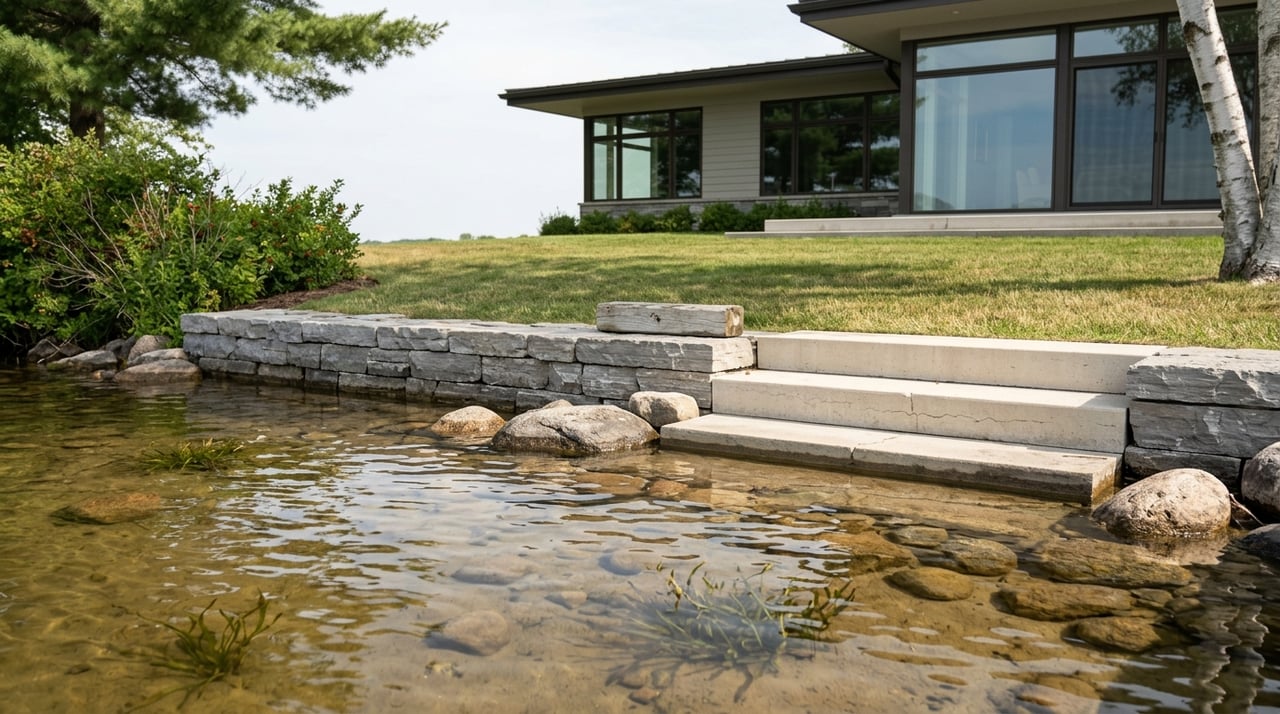
What makes one Otter Tail Lake property feel instantly more valuable than another, even when both sit on the same lake? Often, the answer starts at the shoreline. If you are buying or selling on Otter Tail Lake, water clarity, near-shore conditions, and shoreline vegetation can all shape how a property is perceived and priced. Understanding those factors can help you make smarter decisions and market a lake home more effectively. Let’s dive in.
Why Water Quality Matters on Otter Tail Lake
Otter Tail Lake is one of Minnesota’s largest inland lakes at 13,725 acres, with a maximum depth of 120 feet, according to the Minnesota DNR lake facts. It also has a large shallow-water footprint, with more than half of the lake measuring less than 15 feet deep in a DNR water-availability report. That matters because shallow near-shore areas are where buyers tend to notice weeds, bottom conditions, and water clarity first.
Otter Tail Lake is also part of the Otter Tail River chain and is classified by the DNR as a General Development lake. In simple terms, that means the shoreline setting is more developed and use-oriented than a more protected lake classification. For buyers and sellers, that makes visible shoreline condition especially important.
The surrounding subwatershed adds another layer to the story. In the Otter Tail Lake and Otter Tail River subwatershed, land use includes cropland, open water, forest, rangeland, wetland, and developed land, according to the MPCA watershed report. That mix helps explain why runoff, shoreline disturbance, and land cover can influence lake condition over time.
How to Read Lake Quality Data
If you look up lake reports, you will usually see three main measurements: Secchi depth, total phosphorus, and chlorophyll-a. These numbers may sound technical, but they tell a very practical story about how the lake may look and feel.
Secchi Depth and Water Clarity
Secchi depth measures water transparency. A deeper Secchi reading means clearer water because the disk used in the test stays visible farther below the surface.
A national review of lake-quality scoring explains that water clarity is often tracked using a 5-year average of summer conditions, and those scores should be treated as a snapshot in time rather than a permanent grade, according to this lake water quality study. For you as a buyer or seller, that means one season does not tell the whole story, but long-term clarity still matters.
Phosphorus and Algae Pressure
The Minnesota Pollution Control Agency says phosphorus is the contaminant of greatest concern in Minnesota lakes. The agency also reports that about 25% of lakes fail standards because of high phosphorus and algae, as outlined on its lake water quality page.
When phosphorus rises, algae risk often rises with it. That can affect how water looks, how enjoyable it feels near shore, and how confidently a buyer views a lakefront property.
What the Numbers Show for Otter Tail Lake
A lake risk assessment summary for Otter Tail Lake reported:
- Average Secchi depth: 11.7 feet
- Chlorophyll-a: 6.7 µg/L
- Total phosphorus: 18.0 µg/L
These figures came from multiple observations over time in the Otter Tail Lake assessment summary. In plain language, those numbers point to a lake where clarity is an important part of the value story.
Why One Stretch of Shoreline Can Feel Different
Not all Otter Tail Lake frontage shows the same way. Even when the lake-wide data is solid, one bay or shoreline stretch can feel very different from another.
A key reason is vegetation and shoreline condition. The Minnesota DNR says the most important step for protecting lakeshore is to maintain or restore natural vegetation along the shoreline because it helps hold soil in place, slow runoff, filter nutrients, and keep lakes clean. The same DNR guidance also notes that healthy shoreline vegetation can increase property values by helping protect lake quality.
The DNR also explains that shoreland rules regulate setbacks, vegetation removal, land alteration, height, and impervious surface. Over time, many shoreland lots have shifted from more natural vegetation to turf and harder surfaces, according to the agency’s shoreland history overview. That helps explain why one property may feel sheltered and natural while another nearby may feel more exposed or altered.
Because so much of Otter Tail Lake is shallow, visible variation in aquatic vegetation and bottom conditions is more likely from one area to another. That is not the same as a parcel-by-parcel weed survey, but it is a useful lens for evaluating value. On this lake, buyers often react to the exact shoreline character, not just the lake name.
How Water Quality Can Impact Home Values
The link between lake quality and property value is not just local opinion. It is backed by research.
A recent national hedonic-price study found that homeowners were willing to pay about $3,681 more for a home near a lake with 0.1 meters greater Secchi depth and about $4,359 more for a home near a lake with 1.0 µg/L lower chlorophyll-a, based on findings in this national lake property value study. The study also found the pricing effect is strongest close to the shoreline and fades beyond 300 meters.
That matters on Otter Tail Lake because lakefront buyers are not only buying square footage or finishes. They are also buying the experience of the water. If the near-shore area looks clearer, cleaner, and better buffered, that can strengthen a home’s appeal in ways that show up in buyer demand and pricing.
What Buyers Should Look For
If you are shopping for property on Otter Tail Lake, compare more than the address and the lake name. Focus on what you can actually see and evaluate at the shoreline.
Compare the Near-Shore Water
Look at the water close to the dock or shore, not just the long-range view. Clarity, algae presence, and bottom visibility can affect how usable and appealing the frontage feels.
Lake-wide averages are helpful, but they do not always capture differences within the same lake. The national study notes that water-quality data are not collected every year and may not reflect variation in different parts of a lake. That makes in-person shoreline review especially important.
Check the Shoreline Buffer
Natural vegetation can be a major asset. A shoreline with healthy buffer plantings may help reduce runoff and erosion, while also supporting a cleaner-looking edge.
That does not mean every buyer wants the exact same shoreline appearance. It means the condition and function of the shoreline should be part of your value comparison.
Evaluate Access and Slope
Pay attention to how easy it is to reach the water and use it. A property’s slope, elevation, and access quality help shape day-to-day enjoyment and can influence how buyers weigh one listing against another.
What Sellers Can Highlight
If you are preparing to sell an Otter Tail Lake property, your strongest value story will usually come from specific, observable features.
Lead With What Buyers Can See
Clearer near-shore water, attractive shoreline vegetation, and a well-maintained water’s edge can all support stronger first impressions. These are more effective selling points than vague claims about the lake.
On a lake like Otter Tail, presentation matters because buyers often make quick judgments based on what they see from the yard, dock, or shoreline. Those early impressions can shape how they interpret the rest of the property.
Show the Shoreline Responsibly
Professional photography and video can help buyers understand the water-facing side of the property before they ever visit. For lakefront listings, that visual story is especially important when shoreline condition is part of the home’s appeal.
A polished marketing plan should focus on real strengths such as water visibility, shoreline character, access, and setting. The goal is to give buyers a truthful, compelling picture of what makes your stretch of shoreline stand out.
Think Beyond the House
On Otter Tail Lake, buyers are often valuing the full lakefront experience. That includes the water, the frontage, and the immediate setting just as much as the interior features.
When pricing and positioning a listing, shoreline condition should be part of the conversation. Two homes with similar square footage can still compete very differently if their shorelines show differently.
If you are thinking about buying or selling on Otter Tail Lake, local shoreline knowledge can make a real difference. From comparing one stretch of frontage to another to positioning a lake home with the right marketing story, Monica Kaiser brings the local perspective and waterfront expertise to help you move forward with confidence.
FAQs
How does water clarity affect home values on Otter Tail Lake?
- Clearer water can improve buyer perception and may support stronger pricing, especially for homes close to the shoreline where water conditions are most visible.
What water quality measurements matter most for Otter Tail Lake real estate?
- The main measurements are Secchi depth for clarity, total phosphorus for nutrient levels, and chlorophyll-a for algae conditions.
Why can two Otter Tail Lake properties have different value even on the same lake?
- Shoreline vegetation, near-shore clarity, bottom conditions, slope, and access can vary from one stretch of shoreline to another, which can change buyer appeal.
What should buyers inspect when touring Otter Tail Lake waterfront homes?
- Buyers should look closely at near-shore water clarity, visible algae or weed conditions, shoreline vegetation, access to the water, and the overall character of the frontage.
What should sellers emphasize when marketing an Otter Tail Lake property?
- Sellers should focus on observable features such as water clarity, shoreline vegetation, access quality, slope or elevation, and the condition of the near-shore buffer.