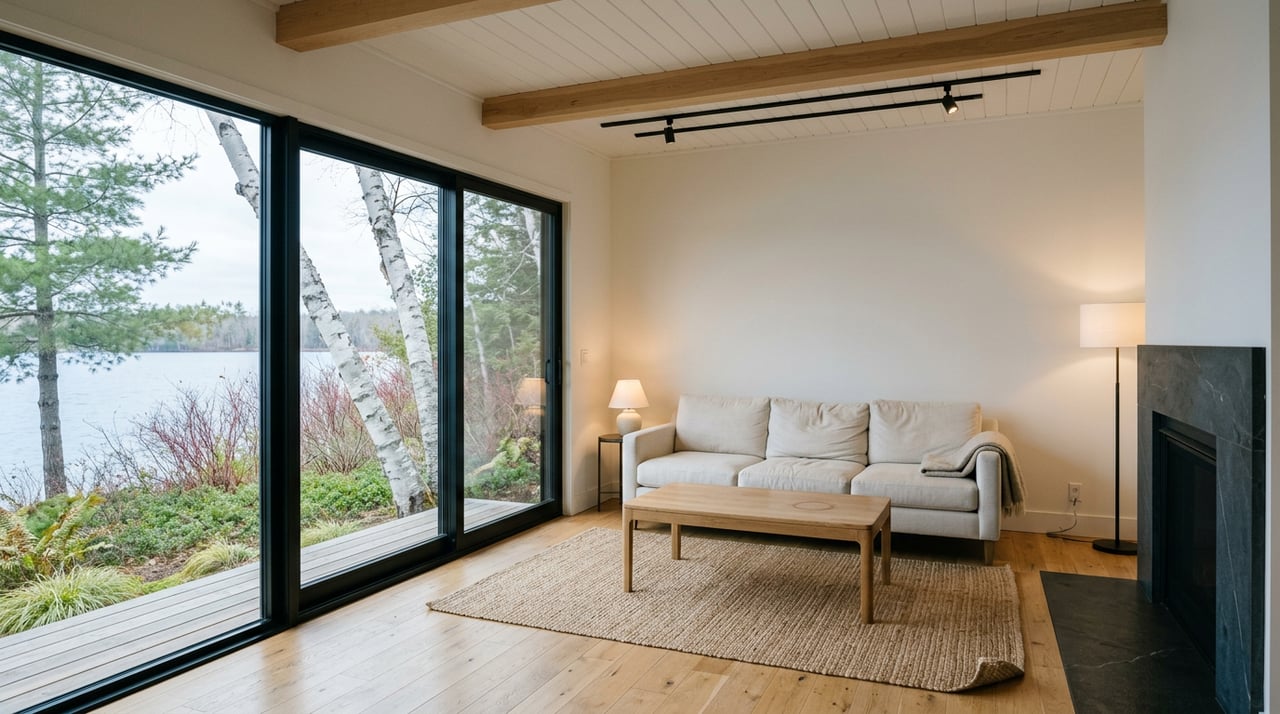
Parting with a family cabin on Long Lake can feel like closing a beloved chapter. You might be balancing memories with maintenance costs, shifting family needs, and the question of where to live next. In this guide, you will learn how to prepare an aging lakeshore property for market, set a smart price, and map a downsizing plan that fits your life in the Detroit Lakes area. Let’s dive in.
Why Long Lake stands out
Long Lake sits on the west side of Detroit Lakes and offers a classic lakeside experience with roughly 408 acres of water, a maximum depth near 61 feet, and about six miles of shoreline. Much of the shoreline is developed, with a mix of rip-rap and natural edges, and both private and public access points. Some parcels connect to city water and sewer, while others rely on private wells and septic systems, which affects value and buyer expectations. You can review lake specifics and shoreline context through the Pelican River Watershed District’s Long Lake profile.
Zebra mussels were confirmed in Long Lake in 2020, which shifted how buyers think about watercraft handling, lifts, and long-term maintenance. Early detection was covered by local media and confirmed by the state, so expect questions about aquatic invasive species and prevention steps. You can read about the local confirmation in the Detroit Lakes Tribune coverage of zebra mussels in Long Lake. Buyers also look for responsible practices that align with DNR lake guidance, especially if your boats travel between lakes.
Step one: gather your documents
Getting your records in order early reduces surprises and speeds up the sale. Focus on utilities and systems, shoreline work, and who has authority to sign.
Septic and well records
Becker County follows state SSTS rules, and most shoreline sales go smoother when sellers secure a septic compliance inspection before listing. A current compliance report and any Certificate of Compliance help buyers and lenders understand system status and costs. Review county requirements and SSTS references in the Becker County Planning and Zoning ordinance. If your parcel uses a private well, have the location, age, and any treatment details ready, and note if city water or sewer is available for your side of the lake as described in the PRWD Long Lake profile.
Shoreline work and DNR permits
Any work below the Ordinary High Water Level can trigger state permitting. Docks, rip-rap, sand additions, and similar work often require a Minnesota DNR Public Waters Work Permit or a general permit that applies to certain routine projects. Compile any historic permits or approvals because unpermitted shoreline changes can slow a sale or add costs. Learn what activities require permits from the DNR Public Waters Work Permit program.
Structure and systems overview
Consider a roof and structure review, plus electrical and HVAC checks. You do not need to fix everything, but a clear summary of condition with estimates builds trust and keeps negotiations focused. High-visibility items like safe stairs to the water and solid dock footings are worth attention.
Title, deeds, and signing authority
If the property is held in an estate or by multiple owners, locate the deed, probate or trust documents, and any recorded easements or covenants. Confirm who can sign the listing and closing documents before you go to market. This prevents delays once you receive an offer.
Plan the sale with family
Legacy cabins often involve several decision-makers. Early, open conversations help you decide whether to sell and split proceeds, agree on a buyout, or hold and set a clear usage and maintenance plan. Minnesota law allows Transfer-on-Death deeds that pass title to beneficiaries without probate, which can affect who controls a sale. You can review the statute behind beneficiary deeds in Minnesota Statutes section 507.071, and it is wise to consult a Minnesota estate attorney if multiple heirs or a TOD deed are in play.
If owners are deceased and the title sits in the estate, the personal representative usually handles the sale. In some cases, court approval is required, and a title company will help clear any clouds on title. When relatives disagree about selling, a neutral appraisal and a buyout schedule are often faster and less costly than a forced sale.
Disclosures you will need
Minnesota sellers must disclose known material facts that could significantly affect a buyer’s use or enjoyment of a property. This includes septic status, shoreline work, and AIS presence. Review the state requirement in Minnesota Statutes section 513.55 and complete the disclosure early. If your cabin predates 1978, federal lead-based paint rules also apply, so gather any related records.
Pricing and timing for 56501
On timing, lakeshore shows best from spring into summer when buyers can experience boating, swimming, and sunsets firsthand. If you have flexibility, plan photography and launch to capture peak curb appeal and active buyer traffic. Seasonal exposure often improves days on market and final pricing for waterfront.
For orientation, Realtor.com’s ZIP-level market overview for 56501 has reported a median listing price near 440,000 dollars in recent months. Consider this a general benchmark, not a comp for a specific shoreline parcel. Your final price should reflect waterfront premiums like feet of frontage, water depth off the dock, natural beach versus rip-rap, city sewer or private septic, and Long Lake’s AIS status.
Buyers in this segment fall into groups. Some want turnkey lake life and will pay for updated systems, compliant septic, and a modern dock. Others prefer a project at a lower entry price. Before you decide to sell as-is or invest in updates, price out these items:
- Low-cost, high-impact: fresh interior paint, deep clean and staged storage, repaired handrails and treads on lake stairs, tuned-up dock sections, neat shoreline where allowed by permits, and trimmed vegetation for views.
- Mid-range improvements: septic compliance work, well service, roof tune-up or replacement if near end of life, electrical panel updates, lighting, and basic bath or kitchen refresh.
Many sellers see stronger offers when they provide septic compliance, clear shoreline permits, and safe, user-friendly waterfront access. Contractor estimates help you judge return on each improvement.
Prepare and present a legacy cabin
A calm, neutral presentation helps buyers picture their own summers at the lake. Start as early as possible to sort personal items and simplify spaces.
Declutter and stage with care
Work from a room-by-room checklist with a simple rule. Keep only what supports a clean, welcoming, and functional space. Photograph heirlooms, label boxes, and decide what stays with the property. If you have a large volume of items, consider an estate sale specialist so you avoid last-minute stress.
Safety and access fixes
If stairs to the lake are steep or worn, add handrails and non-slip treads and repair any loose sections. Ensure dock sections are stable and that lighting is safe from the cabin to the shore. For showings, make paths clear and easy to navigate.
AIS practices buyers expect
Because zebra mussels are present in Long Lake, outline how you handle boats and lifts. Share any decontamination steps, inspections, and storage plans. Referencing DNR lake guidance helps buyers understand expected best practices.
Downsizing options around Detroit Lakes
If you are ready to downsize, you have several good choices near Long Lake. Your path depends on how much maintenance you want and how close to town you prefer to be.
- In-town Detroit Lakes homes: These offer low maintenance with municipal utilities, year-round access, and proximity to daily services. Use ZIP-level market data for 56501 as a starting point, then refine with an MLS-based market analysis.
- Condos or townhomes: In-town condos can deliver lake views or easy access with less upkeep than a single-family lakeshore property. Review HOA rules, dues, parking, and storage for boats or seasonal gear.
- Smaller lake parcels or association access: Nearby lakes or shared-access communities can keep you close to the water with fewer chores. Inventory is limited, and covenants can vary, so review association rules and dock licensing carefully.
A common trade: moving from a large lakeshore parcel to a 2-bedroom condo in town. You often reduce exterior upkeep and stabilize monthly costs, though you will add HOA dues. The right choice should support your lifestyle goals and simplify your time.
What to expect from a lake specialist
Selling lakeshore is different from selling in-town homes. You deserve an advisor who knows shoreline rules, septic timelines, and what high-end buyers expect. With premium presentation, targeted syndication, and clear documentation, you can reach the best buyer pool and protect your net.
With 26-plus years in the Detroit Lakes market, Monica brings boutique marketing that includes professional photography, video tours, and polished MLS supplements that speak to discerning buyers. You also benefit from vendor connections for SSTS inspections, shoreline guidance, and contractor estimates. The result is a calmer process and stronger negotiating position.
Ready to talk timing, pricing, and a smart move-down plan for 56501? Connect with Monica Kaiser to request your home valuation and a tailored plan that honors your family’s legacy and maximizes value.
FAQs
Do I have to disclose zebra mussels when selling a Long Lake cabin?
- Yes. AIS presence is a material fact that buyers expect to see disclosed, and it can influence inspections, insurance, and use. Learn more from the Detroit Lakes Tribune report on zebra mussels in Long Lake.
Is a septic inspection required to sell a lakeshore property in Becker County?
- Sellers should obtain septic compliance documentation early because a noncompliant system can trigger upgrades and affect price or timing. See SSTS references in the Becker County Planning and Zoning ordinance.
What if multiple heirs disagree about selling our Long Lake cabin?
- Start by documenting ownership and legal authority, consider mediation, and price a buyout with an independent appraisal. If probate or title action is required, a Minnesota estate attorney can advise on authority to sell and available options.
When do I need a DNR permit for shoreline work before I list?
- Work in or below the Ordinary High Water Level, including rip-rap, docks, or adding sand, can require a state permit. Review the DNR Public Waters Work Permit requirements and gather any prior permits to share with buyers.