Choosing a Lake Lida property can feel simple at first glance. You see the water, picture the dock, and imagine summer weekends falling into place. But Lake Lida is not one uniform shoreline, and the lot that looks best in listing photos may not be the one that fits how you actually want to use the lake. This guide will help you compare shoreline differences that matter most, so you can buy with more clarity and confidence. Let’s dive in.
Why Lake Lida Shoreline Varies
Lake Lida sits in Lida Township in Otter Tail County, where water shapes daily life in a big way. The township notes that 44 percent of its area is water, and there are no cities within the township, which makes shoreline access, lot layout, and nearby conveniences especially important to think through.
It also helps to know that Lake Lida is really a connected lake system. The Lida Lakes Improvement District includes North Lida, South Lida, and Venstrom, and Minnesota DNR materials note that North and South Lida are subbasins of the same parent basin connected by a navigable culvert under Highway 108. All three are classified as General Development waters.
That means you are not just choosing a house. You are choosing a specific basin, shoreline shape, and lake experience.
Compare Basin and Frontage Type
Bay frontage feels different
Not every stretch of Lake Lida will live the same from day to day. DNR plant survey files separately document the north bay and the south arm, which is a useful reminder that two homes on the same lake can offer very different shoreline conditions.
A sheltered bay or arm often gives you calmer water and a bit more protection from wind. In exchange, you may get a less open feel than you would on a broader main-lake shoreline. If you picture easy swimming, quieter dock time, or more protected boating conditions, bay frontage may line up better with your goals.
Main-lake frontage offers openness
A more open main-lake setting often appeals to buyers who want broad views and a more expansive feel. Those lots can feel dramatic and scenic, especially when the shoreline opens to longer sightlines across the water.
The tradeoff is usually greater exposure to wind and wave action. On a lake property, that is not just about comfort. Exposure can also affect dock use, lift placement, and seasonal maintenance.
Think Beyond the View
Shoreline exposure affects upkeep
One of the most overlooked parts of buying lakefront property is how the shoreline handles wind, wakes, and winter conditions. In Minnesota, ice jacking can damage docks, boat lifts, retaining walls, cabins, and public launches, so exposure is more than a visual detail.
When you tour a property, try to picture it in more than one season. A wide-open shoreline may feel amazing on a calm summer evening, but you should also ask how that same frontage behaves during windy days or ice movement periods.
Ask how the lot actually lives
The right shoreline depends on how you plan to use it. If you want simple swim access and easy dock days, a more protected setting may serve you well. If your priority is panoramic water views and a classic open-lake feel, you may be happy to accept a little more exposure.
This is where local shoreline knowledge matters. The best fit is usually the lot that matches your real routine, not just your first impression.
Check Sun, Bottom, and Slope
Sun exposure shapes daily use
Sun is a lifestyle factor that can make a big difference in how you enjoy the property. You will want to notice how much morning and afternoon sun reaches the deck, patio, swim area, and main outdoor spaces.
That matters in every season, especially if you plan to use the home beyond summer. Winter-use properties can feel very different depending on light exposure, snow melt patterns, and how outdoor spaces face the lake.
Bottom type may surprise you
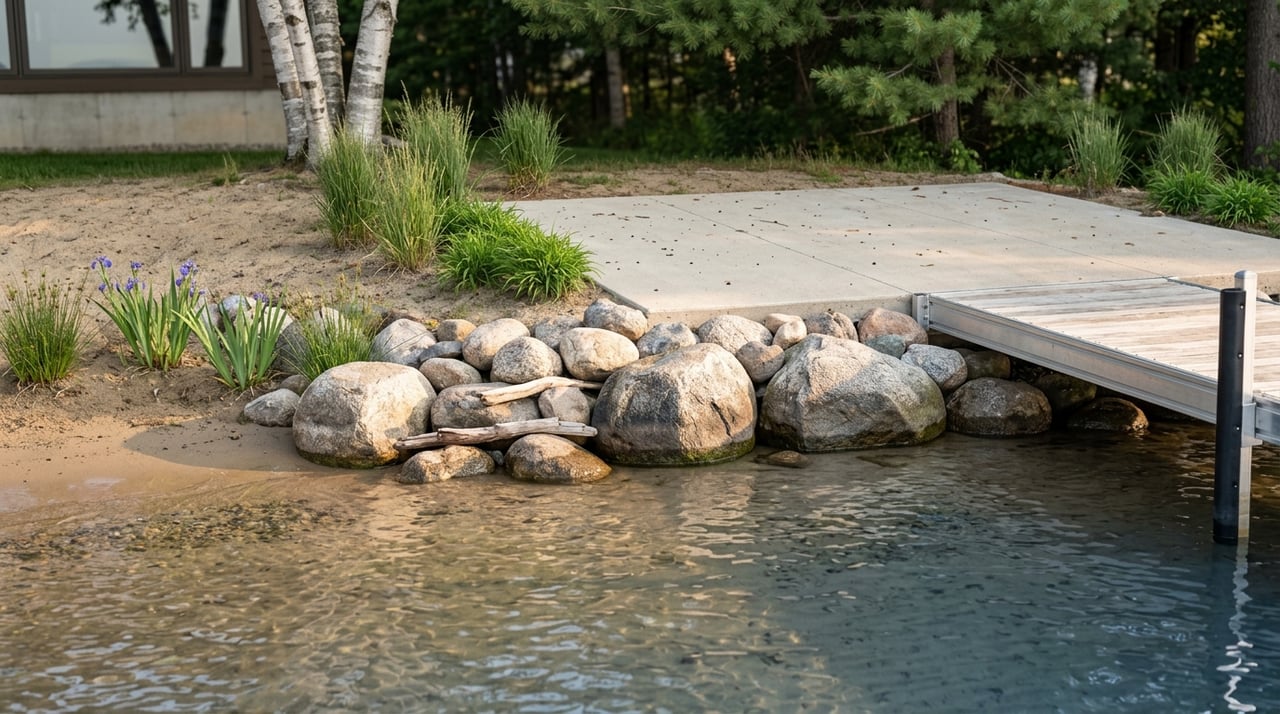
Do not assume every Lake Lida lot gives you a soft sand-bottom swim area. County material describes parts of Lida as having sandy or gravelly shorelines with cobble lake bottoms, and the DNR report notes that nearly half of the three-lake system is littoral, meaning much of the nearshore area is shallow enough for rooted plant growth.
In practical terms, you should verify the exact feel under the dock and around the swim area before you buy. A shoreline can photograph beautifully and still feel very different underfoot than you expected.
Slope changes usability
Lot slope affects everyday convenience more than many buyers expect. Flat or gently sloped lots are often easier for beach access, stairs, and future outdoor living areas.
Steeper sites may offer privacy or elevated views, but they can also mean more planning for paths, steps, and carrying gear to the water. If you know you want simple access for kids, guests, or frequent dock use, slope deserves close attention.
Understand Docks and Lifts Before You Buy
Riparian rights and spacing matter
Otter Tail County has clear rules for docks and lifts. Under the county dock ordinance, only a riparian owner may place a dock, pier, wharf, or boatlift in public water. The equipment must stay within the owner's riparian zone, may not obstruct navigation, and must be set back five feet from an adjacent riparian zone.
That becomes especially important on curved shorelines like bays and peninsulas. The ordinance uses different riparian-zone geometry in those settings, so a bay lot should be measured carefully before you assume your dock layout will work the way you want.
Registration and movement rules apply
Otter Tail County also requires dock and lift registration. In addition, Minnesota law requires docks and lifts to be dried for 21 days before they are moved to another water body.
If a seller includes a dock or lift, it is smart to confirm that the equipment is legal, properly registered, and sized appropriately for the shoreline. That can save you time and frustration after closing.
Some dock setups may not need permits
Minnesota DNR guidance says many docks do not need a permit if they are no wider than 8 feet, are not combined into a larger structure or marina, and are consistent with local government guidelines. Even so, buyers should treat that as a prompt to verify details, not to assume every existing setup is compliant.
Lake service providers can install and remove docks and lifts for a fee, which can be helpful if you are buying a seasonal property or coming from out of market.
Review Future Improvement Potential
Shoreland rules affect plans
If you are buying with future changes in mind, make sure you understand shoreline regulations early. Otter Tail County’s shoreland district generally extends 1,000 feet from a lake’s ordinary high-water mark, and shoreland permits and variances are handled through Land & Resource Management.
The DNR advisory report also notes that in Otter Tail County, General Development lakes carry a 75-foot ordinary high-water level setback for structures. If you are thinking about grading, a new structure, or other shoreline work, those standards can shape what is possible.
Vacant lots need extra scrutiny
For buyers looking at waterfront lots or redevelopment opportunities, shoreline details matter just as much as price and view. A lot may look ideal on paper, but slope, riparian geometry, setbacks, and nearshore conditions can all affect how the site can be used.
That is why it helps to compare not only what a parcel is today, but also what it realistically supports over time.
Match the Shoreline to Your Lifestyle
Privacy and convenience are not the same
Because Lida Township has no cities within it, practical access matters. If you are buying a second home, you should think through how close you want to be to services, launches, and recreation, rather than assuming everything is a quick walk from the lake.
Some buyers want a tucked-away setting that feels private and quiet. Others want easier access to nearby activities and public amenities. Neither is better. It just depends on your routine.
South Lida offers park access nearby
South Lida borders Maplewood State Park. County information notes that the park includes a concrete boat ramp, a swimming beach on South Lida, and nearly 30 miles of hiking trails.
For some buyers, that nearby recreation adds to the appeal of the area. For others, the bigger priority may be a specific shoreline feel, a protected dock area, or a better fit for boating and relaxing at home.
Recreation can vary by basin
The Minnesota DNR’s 2026 fishing regulations list special rules for the Lida Lakes system, and the lake system has also been part of the DNR’s quality sunfish initiative. The Lida Lakes Improvement District was formed to manage existing aquatic invasive species and help prevent new ones, with water-quality monitoring as a secondary goal.
That does not tell you which lot to buy, but it does show that recreation and stewardship are active parts of life on these lakes. Basin choice can shape how you experience the property over time.
Questions To Ask During a Lake Lida Showing
Bring these questions with you when you tour a property:
- Which basin, bay, or arm is this parcel in?
- How exposed is the shoreline to wind, wakes, and ice?
- What is the bottom like under the dock and swim area?
- How steep is the lot from the home to the water?
- Is the existing dock or lift legal, registered, and properly sized?
- Would future grading or shoreline work need county review?
- How close are the amenities that matter most to you?
The Right Shoreline Is the One That Fits You
On Lake Lida, the best shoreline is rarely the one with the prettiest photos alone. It is the one whose basin, exposure, bottom, slope, dock setup, and future-use potential line up with the way you actually want to live at the lake.
If you want help comparing lots, cabins, or lake homes in the Detroit Lakes and Otter Tail area, working with a shoreline-focused local expert can make the decision much clearer. When you are ready to explore your options, connect with Monica Kaiser for thoughtful guidance grounded in real lakefront experience.
FAQs
What should buyers compare when choosing a Lake Lida shoreline?
- Buyers should compare the basin or arm, shoreline exposure, bottom type, lot slope, dock feasibility, and any future improvement limitations.
How do bay lots and main-lake lots differ on Lake Lida?
- Bay lots often offer calmer and more sheltered water, while main-lake lots often provide broader views and a more open feel with greater wind exposure.
What should buyers know about docks on Lake Lida in Otter Tail County?
- Buyers should confirm that any dock or lift is within the riparian zone, set back properly, registered with the county, and appropriate for the lot’s shoreline shape.
Can buyers improve shoreline property on Lake Lida after closing?
- Some improvements may require county review because shoreland rules generally apply within 1,000 feet of the lake’s ordinary high-water mark, and structure setbacks also apply on General Development lakes.
Why does bottom type matter for a Lake Lida property?
- Bottom type affects swim comfort, dock use, and nearshore enjoyment, and some parts of the lake may have sand, gravel, cobble, shallow areas, or rooted plant growth.
Are there nearby amenities around South Lida?
- Yes. South Lida borders Maplewood State Park, which includes a concrete boat ramp, a swimming beach, and nearly 30 miles of hiking trails.