Shopping for a Lake Lida lot can feel thrilling and a little overwhelming. You want great water, confident buildability, and a smooth path to permits. The good news is you can evaluate a lot with a clear, step-by-step approach that protects your budget and your timeline. In this guide, you’ll learn how to review shoreline, water depth, soils, utilities, zoning, and due diligence so you can buy with confidence. Let’s dive in.
Start with the right lake data
Before you walk the property, gather the essentials for Lake Lida in 56572, Otter Tail County.
- DNR LakeFinder for bathymetry, fish community, public accesses, and any listed aquatic invasive species.
- Otter Tail County parcel and zoning information, including shoreland overlays, setbacks, and impervious surface limits.
- Septic and well records from the county and Minnesota Department of Health guidance for private wells.
- FEMA Flood Insurance Rate Maps for floodplain status and elevation context.
- NRCS Web Soil Survey for soils and slopes. Review LiDAR or topo data to understand bluff locations and elevation relative to ordinary high water.
- Contact the county planning office and the local township to confirm variances, road maintenance, and any platted easements.
These sources tell you what you can build, where you can build it, and which constraints may add cost or time.
Orientation, sun, and wind on Lake Lida
Lake orientation affects daily comfort and resale potential. East-facing lots get gentle morning light and cooler afternoons. West or southwest exposures are popular for sunsets and evening gathering, though they can run warmer late in the day.
Prevailing summer winds in Minnesota often come from the west or southwest. Look across the water from the lot and gauge fetch, which is the uninterrupted distance wind travels over water. Longer fetch can bring larger waves, more boat wakes, and higher erosion risk. Orientation and fetch will inform window placement, outdoor living zones, and dock design.
Shoreline type and bank stability
Not all shorelines perform the same. Sandy or gravel entries can be great for swimming and straightforward for seasonal docks. Vegetated or marshy edges may help with erosion protection and habitat, but they can limit access points and require careful planning.
Check whether the bank is a gradual slope or a bluff. Bluffs can offer dramatic views but often add foundation complexity, stair systems, and stricter shoreland rules. Review historical aerial imagery for signs of shoreline change, and consider a shoreline erosion assessment for higher-value builds. Stable shoreline coupled with practical access is a strong value driver on Lake Lida.
Water depth and dock feasibility
Water depth where you plan to place a dock will shape the dock type, boat size, and your seasonal usability. Shallow shelves may limit navigation or require a longer dock to reach suitable depth. Dredging often triggers state or federal permits, so assume you will work with the existing contours.
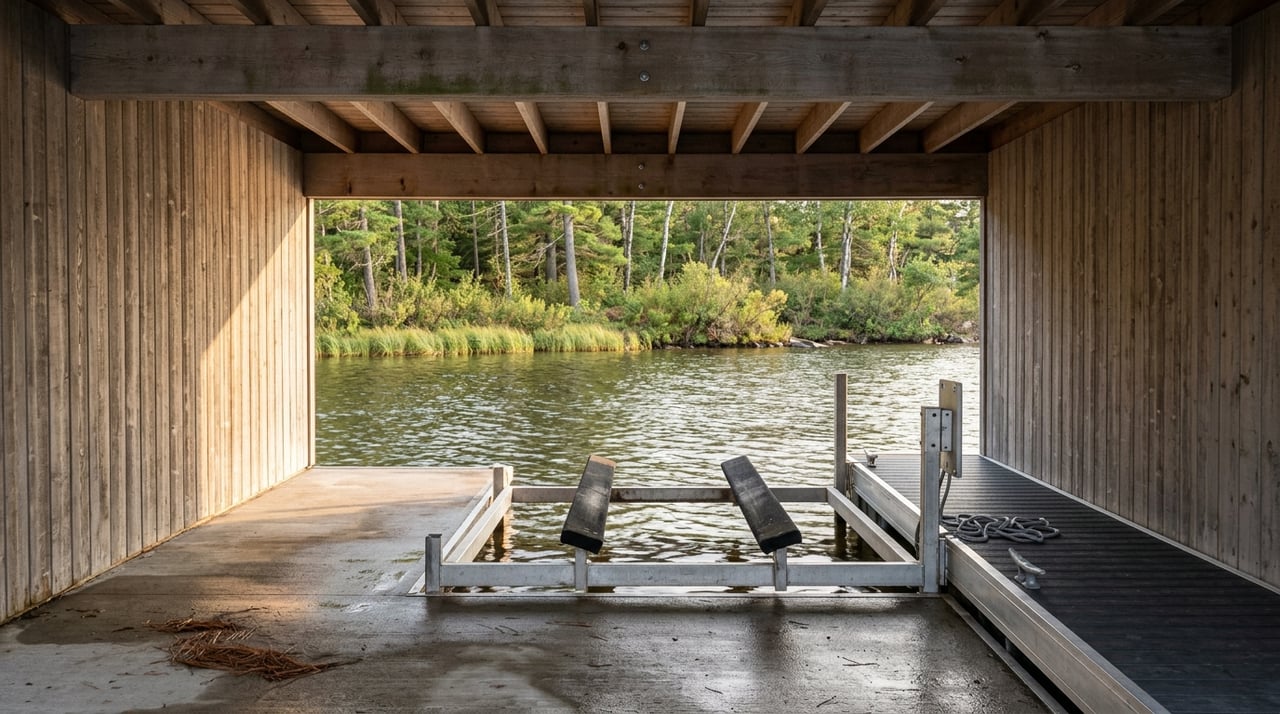
Before you buy, have depth sounded at your intended dock location and look for submerged hazards like rocks, logs, or vegetation mats. Choose a dock system based on site conditions, such as floating versus sectional. Your findings will help you budget for the right dock and avoid surprises when boating season arrives.
Vegetation, wetlands, and buffers
Native shoreline vegetation and wetlands protect water quality and reduce erosion. They also come with rules. Shoreland ordinances often require vegetative buffers, and removal or alteration may need permits or mitigation.
Walk the lot and flag any wet spots, cattails, or standing water. Construction in or near wetlands can require avoidance, mitigation, or permits. Plan your access paths and outdoor living areas to preserve buffers where possible. This approach supports long-term shoreline health and helps you stay in compliance.
Soils, slopes, and buildability
Soil type dictates both foundation design and septic options. Sands and gravels can drain well but may be more prone to erosion on slopes. Clays and organics often require engineered septic solutions and careful foundation planning. On sloped or bluff lots, expect added stabilization and grading costs.
Check the NRCS Web Soil Survey for general soil mapping, then confirm on site with percolation testing or a geotechnical evaluation for significant builds. Understanding soils and slope early can prevent costly redesigns and delays later.
Utilities and access in 56572
Power and communications
Confirm the location and capacity of nearby electric service. Otter Tail Power Company serves much of Otter Tail County, so ask about line locations and extension costs. For internet and phone, availability varies by road and topography. Investigate fiber at the road, DSL or cable options, fixed wireless, or satellite. If you plan to work from the lake or attract rental guests, bandwidth and reliability are key.
Water and sewer
Most lake lots rely on private wells and on-site septic. Verify well logs, historic yield if available, and required setbacks from septic components. Ask the county about the existing septic system type, last inspection, and whether it is sized for year-round use and the number of bedrooms you envision. Converting a seasonal cabin to year-round living or adding bedrooms can trigger upgrades.
Road access and easements
Identify whether access is via a county road, township road, or private road. Maintenance, snow plowing, and cost-sharing differ by road type. Confirm deeded access and any shared drive or utility easements. Clear, year-round access matters for construction logistics and ongoing livability.
Rules and permits you must check
Lake Lida lots are subject to state shoreland rules, county zoning, township ordinances, and any lake association covenants.
- Shoreland zoning: Confirm setbacks from ordinary high water for homes, accessory structures, and septic systems. Check lot coverage limits and height standards. Ask about bluff or floodplain overlays that may add restrictions.
- Shoreline work: Riprap, grading near the shore, permanent docks, boathouses, and any dredging often require permits. Some temporary or seasonal docks may be allowed without a state permit, but size, location, and impact control the threshold.
- Septic and wells: New or replacement systems must be permitted and inspected. Well construction and abandonment follow state requirements. Water testing for coliform and nitrates is recommended.
- Easements and covenants: Review any recorded restrictions on docks, boathouses, rentals, or vegetation clearing. Confirm your riparian rights and how they affect dock placement and mooring.
- Short-term rentals: Counties, townships, or lake associations may regulate STRs. Verify registration or permit requirements, septic capacity, and insurance implications before you purchase for rental use.
- Floodplain and insurance: Flood zone designation and historic high-water events can affect required elevation, design, and insurance.
Due diligence before you write the offer
A focused due diligence window can save you months and thousands of dollars. Use this checklist to move efficiently.
- Shoreline survey locating the ordinary high water line, buildable envelope, and any bluff or floodplain overlays.
- Septic: current inspection or soil testing if no system exists, plus a design review for your planned bedroom count.
- Well: well log, pump test for yield, and basic water quality testing.
- Soils and structure: geotechnical review for foundation suitability, especially on sloped or bluff sites.
- Water depth: dock-site depth sounding and a simple hydro check if you plan to moor larger boats.
- Vegetation and erosion: shoreline contractor or environmental consultant opinion for stabilization and buffer plans.
- Title and plat: search for easements, covenants, riparian rights, and any public access strips.
- Utilities: written estimates for electric, internet, driveway improvements, and temporary construction access.
Costs, risks, and opportunity for builders and investors
The most desirable Lake Lida traits often include unobstructed views, gentle slopes, stable shoreline, and deeper water near shore. Year-round access boosts both enjoyment and resale. On the flip side, high wave exposure, steep bluffs, poor soils, and limited utilities can raise costs and extend timelines.
Budget for site prep, tree management within rules, driveway and road work, utility extensions, septic installation or upgrades, well drilling, dock and lift systems, and potential shoreline stabilization. If your plan involves shoreline work, septic upgrades, or wetlands, factor in permitting timelines that can add months. Seasonal restrictions, public comment, and interagency reviews are common. Build in contingencies for both time and cost.
Red flags that warrant a pause
- Setbacks, easements, wetlands, or bluff protections leave no feasible building envelope.
- Unresolved shoreline encroachments or undocumented hardening that might require retroactive mitigation.
- Septic constraints with no viable on-lot solution due to soils, water table, bedrock, or extensive wetlands.
- Utilities are inaccessible or extension costs are prohibitive relative to your budget.
- Title issues involving riparian rights or access easements.
- Confirmed aquatic invasive species problems that materially affect usage and maintenance.
Your next steps on a Lake Lida lot
- Pull the lake, parcel, zoning, flood, and soils data for the specific lot. 2) Walk the site with a focus on orientation, fetch, shoreline type, depth at the dock, and buildable area. 3) Line up septic, well, geotechnical, and shoreline consultations. 4) Confirm utilities, road access, and any covenants. 5) Plan your budget and timeline with permitting in mind.
If you want a seasoned partner to quarterback this process and connect you with vetted local inspectors, engineers, and contractors, reach out to Monica Kaiser. You will get lake-specific guidance, a clear due diligence plan, and negotiation support that protects your goals.
FAQs
What records should I gather to evaluate a Lake Lida lot?
- Start with DNR LakeFinder data, county parcel and zoning info, septic and well records, FEMA flood maps, and NRCS soil and slope maps, then confirm details with the county planner and township.
How do shoreland setbacks affect building near Lake Lida?
- Setbacks from the ordinary high water line, plus limits on lot coverage and height, define your buildable envelope, so confirm lot-specific measurements and any bluff or floodplain overlays with county staff.
Can I install a permanent dock or boathouse on Lake Lida?
- Many permanent structures and shoreline alterations require permits, while some seasonal docks may not; check thresholds and design standards with the DNR and county before you plan or purchase.
Who oversees septic and private wells in Otter Tail County?
- The county environmental services office permits and inspects septic systems, and private well construction and testing follow state health guidance; verify records and testing during due diligence.
Are short-term rentals allowed on Lake Lida properties?
- Rules vary by county, township, and lake association, so confirm registration or permit needs, septic capacity, and any rental restrictions before buying with STR plans.