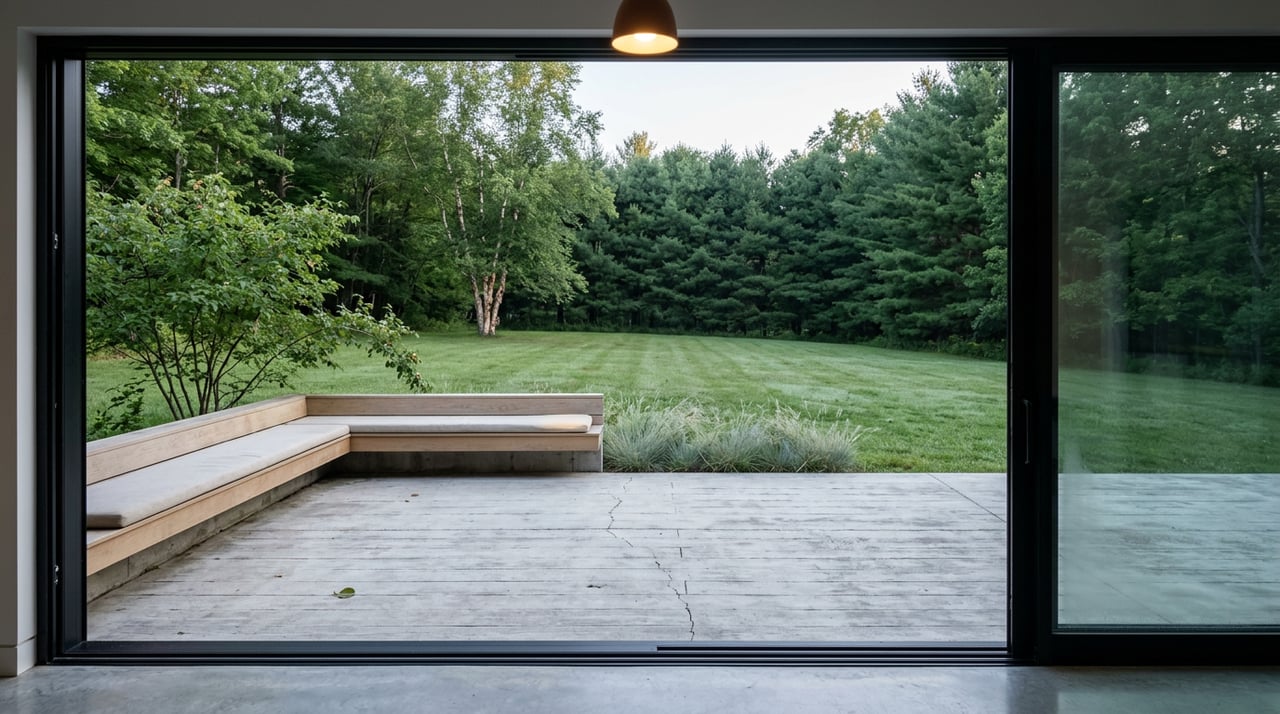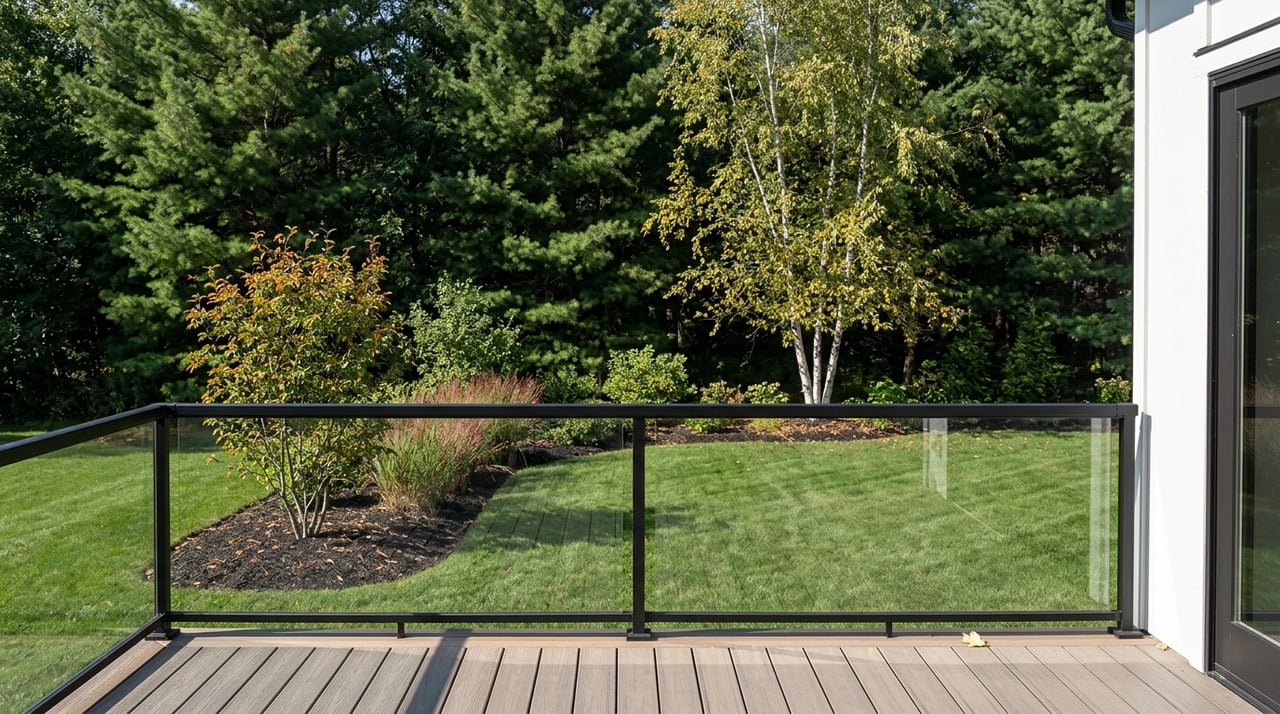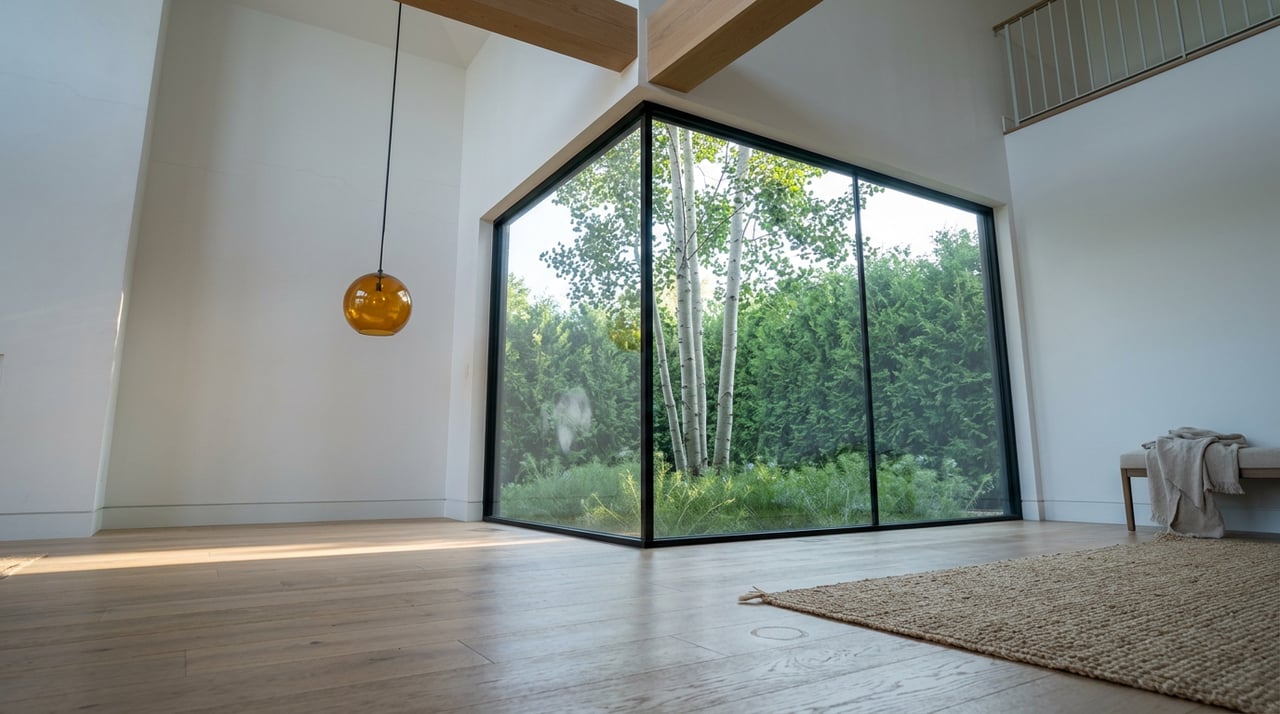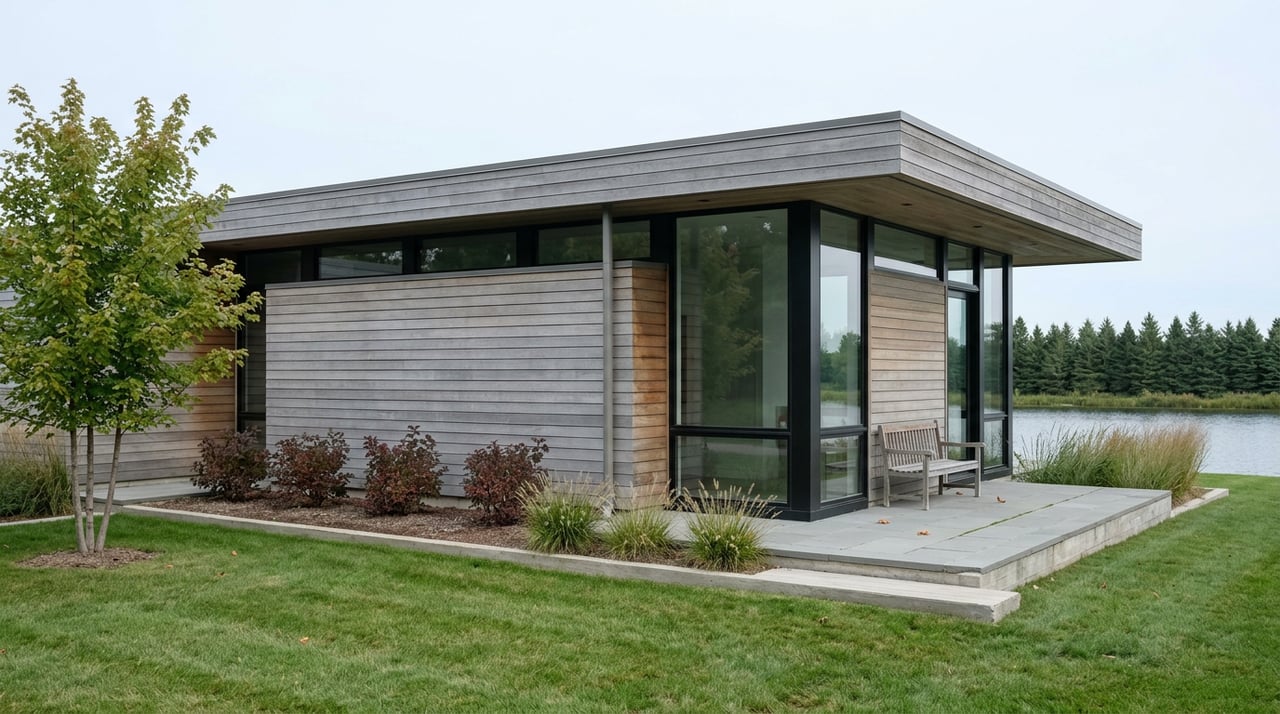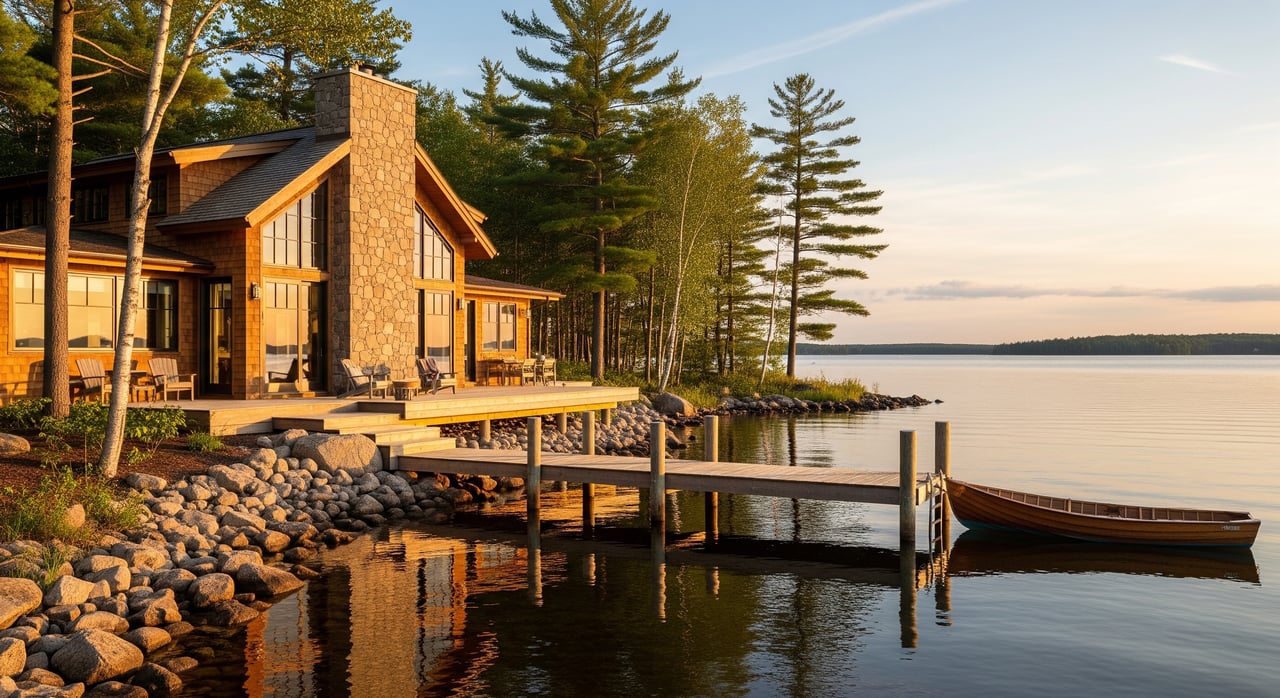
What if your mornings started with glassy water, loons calling, and coffee on a lakeside deck? If you’re daydreaming about a move to Big Cormorant, you’re not alone. Buying on the lake is exciting, but it comes with details you want to get right. This guide gives you a clear picture of Big Cormorant lake life, what to check before you buy, and how to move forward with confidence. Let’s dive in.
Big Cormorant at a glance
Big Cormorant sits in the Cormorant Lakes area of Becker County, Minnesota, within ZIP 56511. It is part of a cluster that includes Little Cormorant and West Cormorant, with a shoreline mix of seasonal cabins, year‑round homes, and vacant lots. Detroit Lakes is the nearest regional hub for shopping, dining, services, and medical care.
When you want baseline facts about the lake itself, look to trusted sources. The Minnesota DNR LakeFinder provides lake size, depth, clarity, fish surveys, and invasive species updates. Becker County offers GIS maps and property records to review parcel lines, taxes, and assessed values. For zoning, septic, and building permits, contact Becker County Planning and Zoning and local township offices. A local lake association or any Lake Improvement District can share stewardship news and community updates.
Home types and lot styles
You will find a wide range of properties on Big Cormorant. Many older cabins from the 1940s through the 1980s are modest wood‑frame structures, often with lake‑facing decks. There are also remodeled year‑round homes and newer custom builds from the 2000s to today.
Lot sizes vary. Some “cottage” lots have narrower frontage, especially in older platted areas near public access. Others offer larger, more wooded parcels with extra space for garages, boathouses, and outdoor living. As you compare, pay attention to frontage, slope to the water, and tree cover.
Utilities and systems to verify
Most lakeshore properties here use private wells and septic systems. Many newer year‑round homes include upgraded septic tanks or mound systems. Municipal sewer is typically not available directly on the lake, so factor maintenance and replacement planning into your budget.
Electrical service is provided by rural utilities. Some areas have buried lines, while others have older overhead lines. Broadband and cellular coverage can vary by location. Some lakeside addresses now have fiber or fixed wireless, but coverage is site‑specific. Always confirm service options with providers before you write an offer.
Boating and recreation
Big Cormorant is a classic northern Minnesota lake scene. You can expect power‑boating, water‑skiing and wakeboarding, pontoon cruising, fishing, and paddling. In winter, ice fishing and snowmobiling bring life to the shoreline when the lake freezes.
Summer weekends tend to draw visitors and second‑home owners. The social scene often centers on lakeside gatherings and community events coordinated by local lake groups or nearby towns. Ask about any slow or no‑wake zones and local norms so you know what to expect for boat traffic and quiet hours.
Public access and on‑lake services
You should find one or more public boat launches on or near Big Cormorant. Verify exact locations and hours with Becker County or township offices. Seasonal services like boat storage, winterization, and marine repair are common in the Detroit Lakes area and can support your boating needs.
If you plan to install or expand docks and lifts, check dock permitting and shoreline rules before you invest. This helps you avoid surprises and keeps you aligned with local stewardship practices.
Water quality and stewardship
Water clarity and aquatic vegetation change with the seasons. For current monitoring and reports, look to the Minnesota Pollution Control Agency, Becker County programs, and any local lake association. These sources help you track nutrient levels and water‑quality trends over time.
Invasive species are a concern across Minnesota. Zebra mussels and Eurasian watermilfoil are among the species found in many lakes in the region. Always confirm the current invasive status for Big Cormorant through the Minnesota DNR and follow boat inspection and cleaning protocols. Responsible shoreline vegetation and awareness of nesting seasons also support wildlife and long‑term lake health.
Daily life and nearby amenities
Detroit Lakes is your primary service center for groceries, restaurants, big‑box retail, trades, and full medical services. Lake Region Healthcare is a principal local provider for the area. Closer to the lake, you will find convenience stores, bait shops, seasonal dining, and local contractors in the Cormorant and Becker area.
Commuting to Detroit Lakes and nearby job centers is reasonable by car. In winter, plan for weather and road maintenance. Trips to Fargo–Moorhead are longer at roughly one to one and a half hours, so think through your weekly travel needs.
Pricing and value drivers
Lake property pricing varies widely and changes with market conditions. On Big Cormorant, price is shaped by several key factors:
- Waterfront vs near‑shore location
- Lot size, frontage, and topography
- Home type and condition, from seasonal cabin to turnkey year‑round
- Proximity to public amenities and Detroit Lakes
Compared with other Detroit Lakes‑area lakes, Big Cormorant tends to be competitive. Prices can be lower or higher than nearby lakes depending on shoreline density and property upgrades. For up‑to‑date pricing, review MLS data, Becker County sold records, and current inventory. Price per front foot and recent comps are especially useful for lakefront decisions.
Buyer due‑diligence checklist
Use this list to guide your lake‑home search and keep surprises to a minimum:
- Verify market context:
- Review recent sales through MLS and Becker County sold records.
- Check active inventory for comparable frontage and condition.
- Confirm property utilities and systems:
- Septic records, age, and required inspection status with Becker County Environmental Health.
- Well logs and water testing per Minnesota Department of Health guidance for private wells.
- Electrical service provider and any recent upgrades.
- Broadband and cellular coverage maps for your specific address.
- Review shoreline and building rules:
- Minnesota shoreland standards and Becker County shoreland zoning for setbacks and impervious surface limits.
- Dock and pier permits through the DNR and county.
- Any lake association or Lake Improvement District dues and rules.
- Assess environmental and site factors:
- DNR LakeFinder for fish surveys and invasive species status.
- Water quality updates from MPCA or local monitoring programs.
- Shoreline erosion history and any floodplain considerations.
- Evaluate seasonal practicality:
- Road maintenance and snow removal responsibilities.
- Heating, insulation, and winterization for year‑round comfort.
- Plan insurance and tax review:
- Property tax records through the Becker County Assessor.
- Homeowner insurance considerations for lakeshore homes. Ask about wind and water‑related coverage.
- Confirm title, easements, and access rights:
- Shared driveways, docks, or community easements.
- Any recorded covenants or restrictions.
- Line up local help:
- Septic pumpers, dock builders, arborists, HVAC, and snowplow services. Ask your agent or lake association for vetted referrals.
Building, remodeling, and shoreline rules
Before you plan a remodel, addition, or new build, talk with Becker County Planning and Zoning about shoreland setbacks, vegetation protection, and impervious surface limits. If you want to add or adjust a dock, confirm the permitting process with the DNR and county. Factor septic compliance into any construction plan, since many projects require system updates to meet current code.
Seasonal vs year‑round living
Both lifestyles are common on Big Cormorant. If you want to live year‑round, look for insulation, efficient heating, and a septic system designed for full‑time use. Ask about winter road maintenance and who handles snow removal on private drives.
If you prefer a seasonal cabin, verify winterization steps and any storage needs for docks and lifts. Set a budget for annual items like fall close‑up, spring open‑up, and boat service.
Touring strategy and making an offer
A smart plan makes your search smoother:
- Clarify priorities. Decide your must‑haves for frontage, home size, and boating style.
- Preview comps. Study recent lakefront sales and assess price per front foot where available.
- Walk the lot. Look at slope, shoreline stability, vegetation, and views in person.
- Verify systems early. Schedule well and septic checks and review any past reports.
- Ask about associations. Note any lake association fees, rules, or community docks.
- Plan your due diligence timeline. Build in time for permits, surveys, and specialty inspections.
- Structure a clean offer. Strong terms plus clear inspection timelines help you compete for lake properties.
How we help you buy or sell
Buying the right lake place is part expertise and part vision. You get both with a dedicated lakes specialist. With deep local knowledge, vetted vendor connections, and polished presentation, you can move fast on the right opportunity and avoid costly missteps. If you are selling, premium marketing, video, and exposure to lifestyle‑driven buyers help you maximize results while honoring your family’s legacy.
Ready to explore Big Cormorant or curious what your lake home might be worth? Reach out to Monica Kaiser to talk strategy, see on‑water options, or Request Your Home Valuation.
FAQs
What types of homes are on Big Cormorant?
- You will find older seasonal cabins, remodeled year‑round lake homes, newer custom builds, and occasional vacant shoreline lots.
How do I verify septic and well status for a Becker County lake home?
- Check septic records and inspection requirements with Becker County Environmental Health, and review well logs and testing per Minnesota Department of Health guidance on private wells.
What is boating and lake access like on Big Cormorant?
- Expect a mix of power‑boating, skiing, pontooning, and fishing, with one or more public launches nearby. Confirm exact ramp locations, hours, and any slow or no‑wake zones with county or township offices.
How do prices on Big Cormorant compare with nearby lakes?
- Pricing is generally competitive with the Detroit Lakes area and varies by frontage, lot size, home condition, and upgrades. Verify current comps and price per front foot through MLS and county records.
Which schools serve Big Cormorant addresses?
- School district boundaries vary across the shoreline. Confirm the assigned district for a specific property using county or school‑district maps.
Is Big Cormorant better for seasonal or year‑round living?
- Both work well. For year‑round living, confirm insulation, heating, septic design, and winter road maintenance. For seasonal use, plan for winterization, storage, and spring setup.