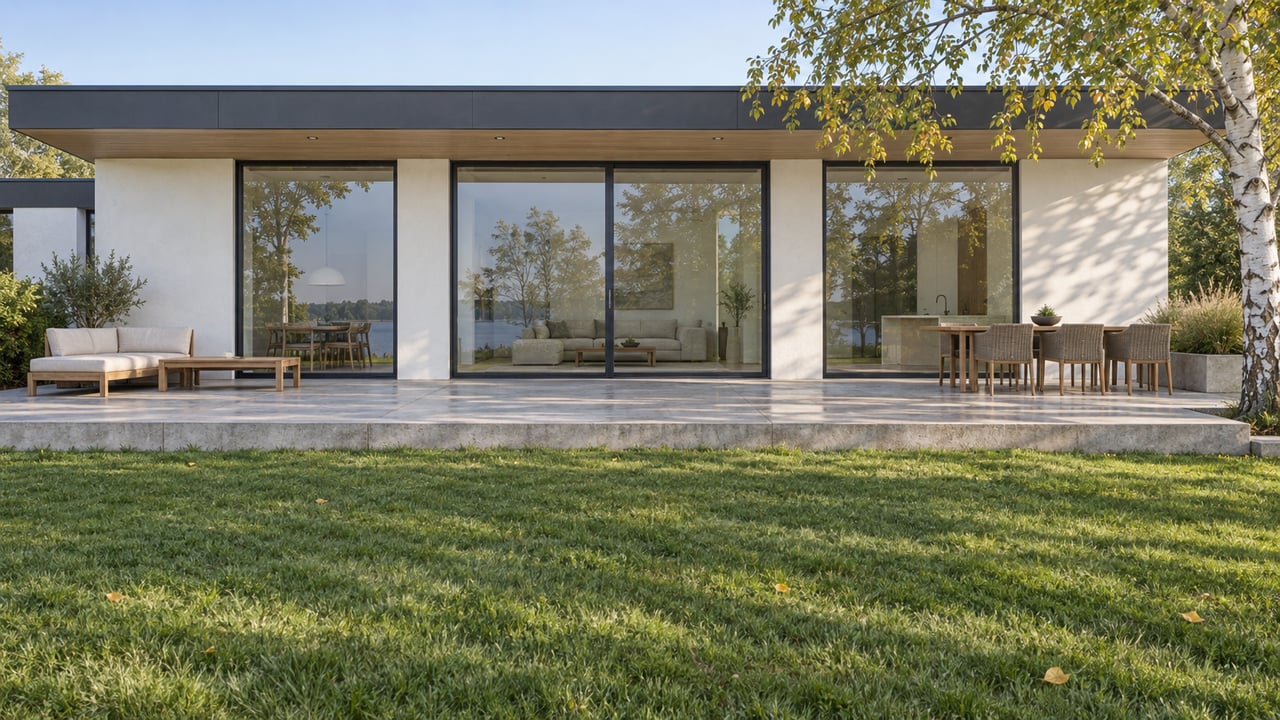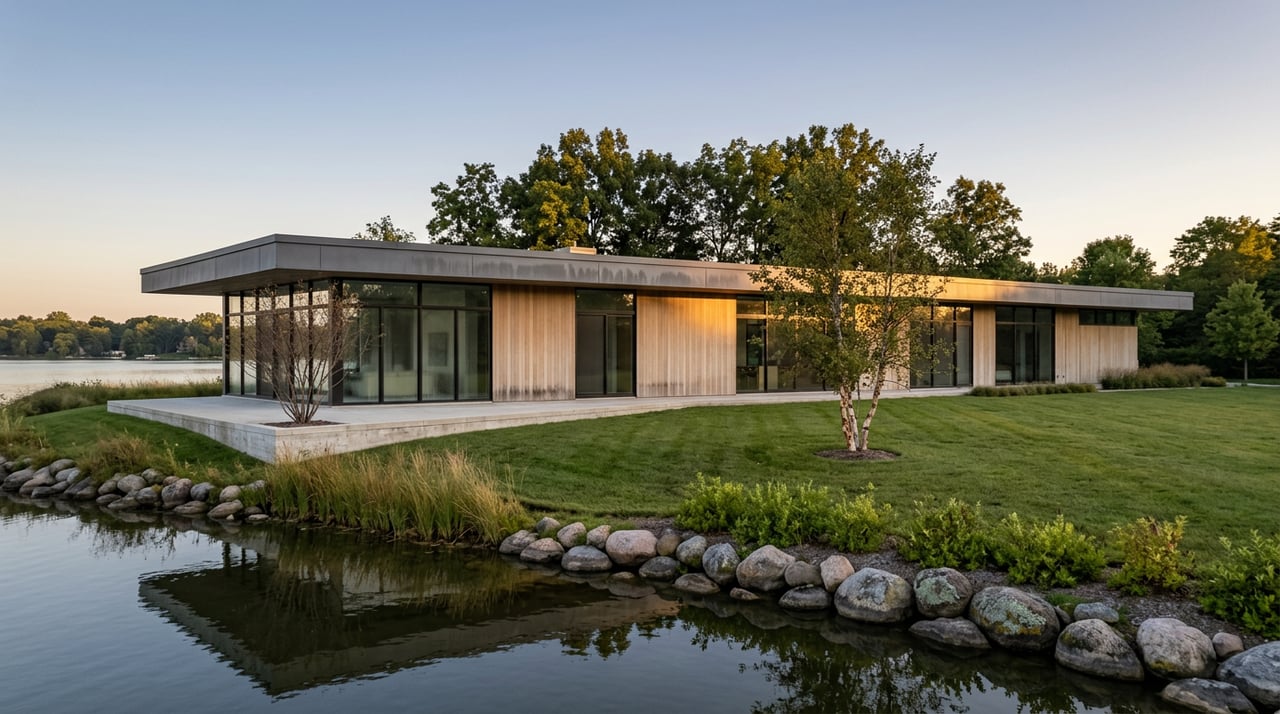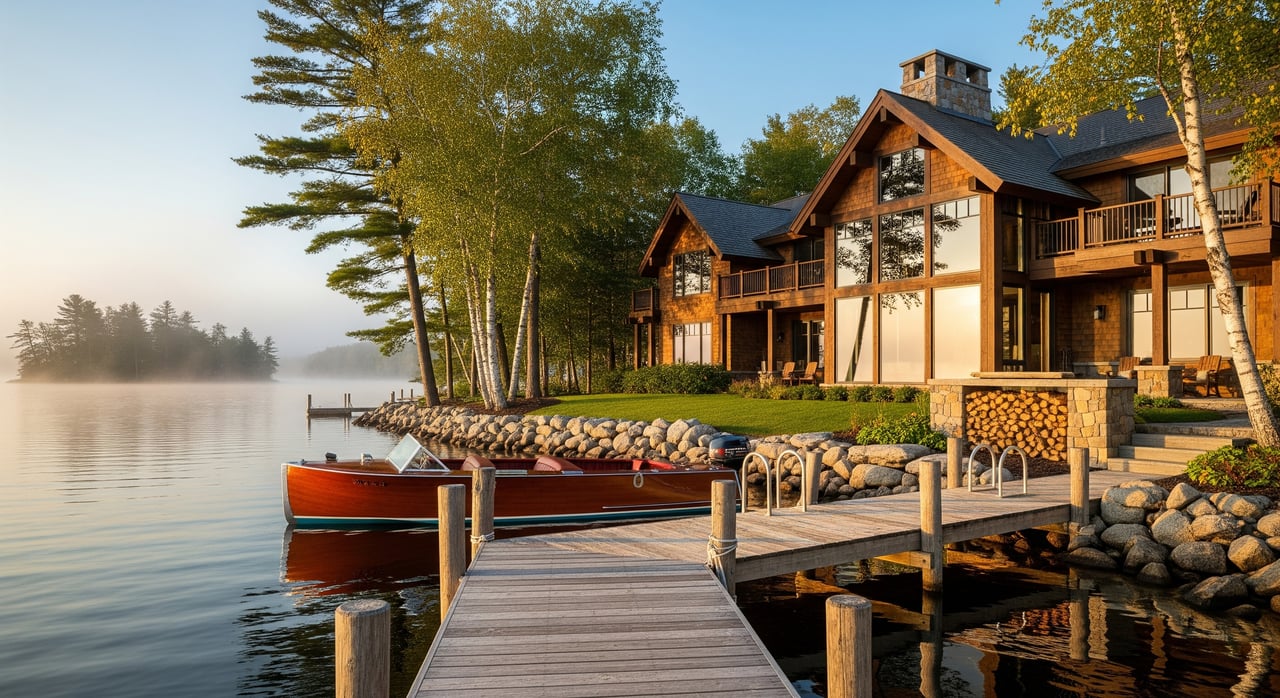
Dreaming of a place on the water where summer mornings start with coffee on the dock and winter afternoons end by the fire? A Minnesota lake home can deliver that lifestyle, but it also comes with cost layers that are easy to underestimate. If you plan carefully, you can enjoy the lake without financial surprises.
This guide breaks down every major cost category, the Minnesota rules that affect your budget, and a simple framework to price a specific property. You will also get a quick worksheet to start your numbers today. Let’s dive in.
Why lake homes cost more
Waterfront homes carry the usual expenses plus costs that are unique to shoreline living. You will factor in higher insurance exposure, dock and lift services, shoreline maintenance and permitting, and septic or well care if the property is not on municipal systems. Some counties also apply different tax classifications that affect your annual bill.
In Minnesota, local rules and lake conditions vary by county and even by shoreline type. That variation means you should build a budget for both annual operating costs and periodic capital projects. The most prepared buyers plan for both.
Annual operating costs
Property taxes
Property taxes are driven by assessed value, your local mill rate, and how the property is classified. Some jurisdictions use seasonal or vacation classifications while others apply homestead rules, and special assessments can be added by lake associations or watershed districts. Ask for the last two to three years of tax bills to see trends, and confirm with the county assessor if any classification changes or reassessments are likely.
Insurance and liability
Waterfront properties often need stronger coverage because of wind, water intrusion, ice pressure, and recreational use. You may consider endorsements for water backup, ordinance and law, equipment breakdown for wells, and scheduled personal property for boats or ATVs. Flood insurance is not automatic, but you should review FEMA flood maps and elevation details to decide if National Flood Insurance Program or private flood coverage makes sense.
Utilities and infrastructure
Lake homes often rely on propane, private wells, and septic systems. Budget for propane deliveries, electricity that varies with seasonal use, and periodic well testing or water treatment based on local water chemistry. For septic, plan for regular pumping and inspections per state and county rules, and keep records of service receipts.
Seasonal services
Recurring services can include dock and lift installation and removal, winterization of plumbing and heating, snow removal for driveways and roofs, lawn care, and shoreline buffer maintenance. Some owners hire a caretaker to check on the property in the off season. If you host many guests in summer, expect higher septic and trash costs during peak weeks.
Association and watershed fees
Some lakes have required association dues or assessments that fund shoreline or water quality projects. Check seller disclosures and county records for current or pending assessments. Add these fees to your annual operating line items.
Capital and contingency costs
Dock and lift replacement
Docks and lifts have finite lifespans that depend on materials, configuration, and ice action. Plan for periodic repairs and eventual replacement, plus annual hardware, decking, and anchoring upkeep. Get three bids for installation and seasonal in and out so you can estimate both upfront and ongoing costs.
Shoreline maintenance and permitting
Shoreline erosion from waves and ice can require stabilization. Native plantings and buffers may be relatively low cost, while engineered riprap or similar solutions are a significant capital project that often requires permits. Local shoreland ordinances and Minnesota Department of Natural Resources rules influence what is allowed and how long permits take.
Home systems and structure
Lake exposure can accelerate wear on siding, roofs, decks, and windows because of humidity and freeze thaw cycles. Septic systems generally have service lives, and replacement timing varies by type and conditions. Many buyers set aside an annual reserve of 1 to 3 percent of property value for capital needs, then adjust based on the age and condition of the home.
Minnesota rules to know
Shoreland permits
Minnesota’s Shoreland Management Program sets state standards, and counties often adopt stricter local rules. Work that alters the shore impact zone, including large docks, grading, or riprap, commonly needs permits, engineered plans, and sometimes vegetative mitigation. Permit timelines and design requirements affect both cost and project scheduling.
Buffers and water quality
Statewide buffer initiatives, enforced by counties and local Soil and Water Conservation Districts, can affect required vegetation near the shore. Compliance often ties to permit approvals and influences your ongoing landscape plan. Ask local staff how buffer rules apply to your specific property.
Septic system requirements
The Minnesota Pollution Control Agency and counties regulate septic systems. Many counties require inspections at the time of sale, ongoing maintenance, and upgrades if systems fail or are too close to public waters. If a replacement is triggered before closing, that can be one of the largest one time costs in a lakeshore transaction.
Invasive species prevention
Minnesota emphasizes Clean, Drain, Dry practices and inspection protocols in high risk areas. Owners may face monitoring or treatment costs if invasive aquatic plants are present near their shoreline. Factor these tasks and potential fees into your annual plan.
Flood zones and elevation
Some lakeshore parcels are outside mapped floodplains, but localized flooding or ice jam risk can still exist. Review floodplain maps and elevation details to assess your risk tolerance and insurance needs. Your insurer may request an elevation certificate to price flood coverage accurately.
How to build your budget
Step 1: Gather documents
Collect assessed value, the last two to three years of tax bills, utility bills for in season and off season months, septic inspection and pumping receipts, well testing results, and any current insurance declarations. Ask the seller for dock and lift details, including age, materials, and vendor contacts. Request any shoreline permit history and plans.
Step 2: Confirm local rules and assessments
Call the county assessor for tax classification and special assessment details. Contact county planning and zoning or environmental services for shoreland permit thresholds, buffer expectations, and any open violations. Ask the local Soil and Water Conservation District about shoreline planting support or cost share programs.
Step 3: Price recurring services and insurance
Get two or three quotes for dock and lift in and out, snow removal, lawn care, and off season caretaker checks if desired. Obtain multiple insurance quotes from agents who regularly write Minnesota lake properties, and ask specifically about water backup, ice damage language, and liability limits for docks and watercraft. Note renewal dates so you can align policies and services on a single annual calendar.
Step 4: Evaluate capital items
Estimate remaining life for the roof, siding, windows, septic system, dock, lift, and any shoreline stabilization. If the shoreline is eroding or needs repair, ask vendors for design options and permit timelines. Add a capital reserve equal to 1 to 3 percent of property value unless your inspection findings suggest a higher cushion.
Step 5: Build two year and five year views
Separate your annual operating costs from capital and contingency items. Forecast known replacements and a realistic pace of discretionary upgrades, such as deck refinishing or shoreline planting. A two year view helps with near term cash flow, while a five year view captures major items like septic or dock replacement.
Sample scenarios to model
Use these templates to test different properties. Insert your local figures from quotes and records.
Conservative lakeside cottage
- Operating: last year’s property tax, current insurance quote, electricity and propane from seller bills, septic pumping as scheduled, dock in and out.
- Capital: low cost shoreline planting for buffers, periodic deck and siding maintenance, modest reserve for dock updates.
- Plan: set a reserve near 1 percent of property value, then increase if inspections show accelerated wear.
Comfortable year round lake home
- Operating: full insurance with water backup and equipment endorsements, year round utilities, snow removal, dock and lift service, caretaker checks.
- Capital: mid cycle roof or siding refresh, dock hardware replacement, shoreline stabilization if wakes or ice present.
- Plan: reserve closer to 2 percent of property value, with a five year schedule for known upgrades.
High value luxury lake estate
- Operating: higher liability limits, umbrella coverage, full service grounds and snow care, comprehensive dock and lift servicing, monitoring systems.
- Capital: engineered shoreline solutions, premium dock or lift upgrades, exterior systems maintained on shorter cycles due to exposure.
- Plan: reserve near 3 percent of property value, with vendor maintenance plans that protect finishes and structures.
Quick worksheet you can copy
Fill in your estimates, then total each section.
Annual operating
- Property tax: ________
- Homeowners insurance: ________
- Flood or water related endorsements: ________
- Electricity: ________
- Propane or heating fuel: ________
- Well testing and water treatment: ________
- Septic pumping and routine service: ________
- Dock and lift in and out, storage: ________
- Snow removal and winter services: ________
- Landscaping and shoreline buffer care: ________
- Association or watershed fees: ________
Subtotal operating: ________
Capital and contingency
- Dock or lift replacement reserve: ________
- Shoreline stabilization or permitting: ________
- Roof, siding, deck reserve: ________
- Septic repair or replacement reserve: ________
- Other long life systems: ________
Annual capital reserve target (1–3 percent of value): ________
Total annual budget estimate: ________
Hidden costs to check
- Special assessments for roads, shoreline projects, or lake management.
- Ice damage history to docks, lifts, or shore structures.
- Access limitations that change contractor pricing for dock work or deliveries.
- Guest driven costs during peak season, including septic load and trash volume.
- Insurance exclusions for certain water damage without endorsements.
Smart ways to save
- Preserve or restore native buffers to reduce erosion and mowing while improving water quality.
- Combine vendor visits where possible, such as coordinating dock removal with winterization.
- Install remote monitoring for temperature and water leaks to prevent freeze damage.
- Keep maintenance logs for septic, well, dock, and roof to time service before failures.
- Ask your insurer about higher deductibles paired with robust liability coverage.
When to call a pro
Talk with county assessor and zoning staff early so permit timing does not delay your plans. Bring in shoreland contractors and dock professionals to scope realistic designs and life cycles. Ask insurance agents experienced with lake properties to walk you through endorsements and flood considerations.
Buying a Minnesota lake home is about memories and stewardship. If you want a clear, property specific budget and introductions to trusted local vendors, reach out to Monica Kaiser for confidential guidance and buyer representation that puts your lake life goals first.
FAQs
Do Minnesota lake homes always need flood insurance?
- Not always. Coverage depends on FEMA flood maps and property elevation, and some lakeshore parcels are outside high risk zones, but you should still review elevation details and risk tolerance.
What permits are required for shoreline work in Minnesota?
- Counties implement shoreland ordinances that often require permits for grading, riprap, and larger docks, and some projects need engineered plans and vegetative mitigation.
How often should a septic system at a lake home be serviced?
- Many systems are pumped every three to five years and inspected per county rules, with upgrade requirements if a system fails or does not meet standards near public waters.
Are docks and lifts covered by homeowners insurance?
- Sometimes, but coverage varies. Ask about ice damage language, liability for docks, water backup endorsements, and whether lifts need scheduled coverage.
Why are lake home property taxes sometimes higher?
- Taxes reflect assessed value, local rates, and classification, and lakeshore parcels can carry special assessments from lake associations or watershed districts.
What off season services should I plan for at a lake home?
- Common items include winterization of plumbing and heating, snow removal, periodic property checks or caretaker visits, and remote monitoring for freeze or leak alerts.