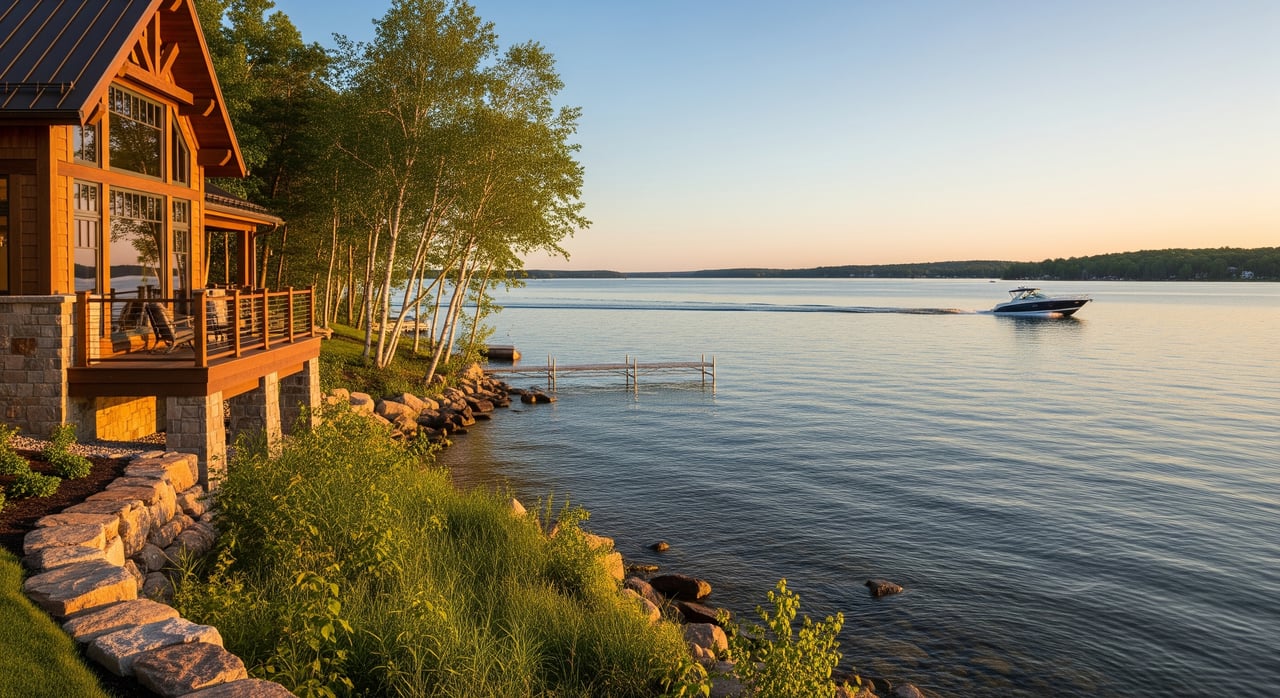
Love a sunny afternoon on Long Lake, but not the rocking docks and sloshed-out shoreline after big waves roll through? You’re not alone. Whether you own a place, rent a boat, or invite friends for tow sports, a little wake etiquette protects the shore, your neighbors’ property, and everyone’s safety. In this guide, you’ll learn the simple rules, local tips, and common courtesy that keep Long Lake fun for all. Let’s dive in.
Why wakes matter on Long Lake
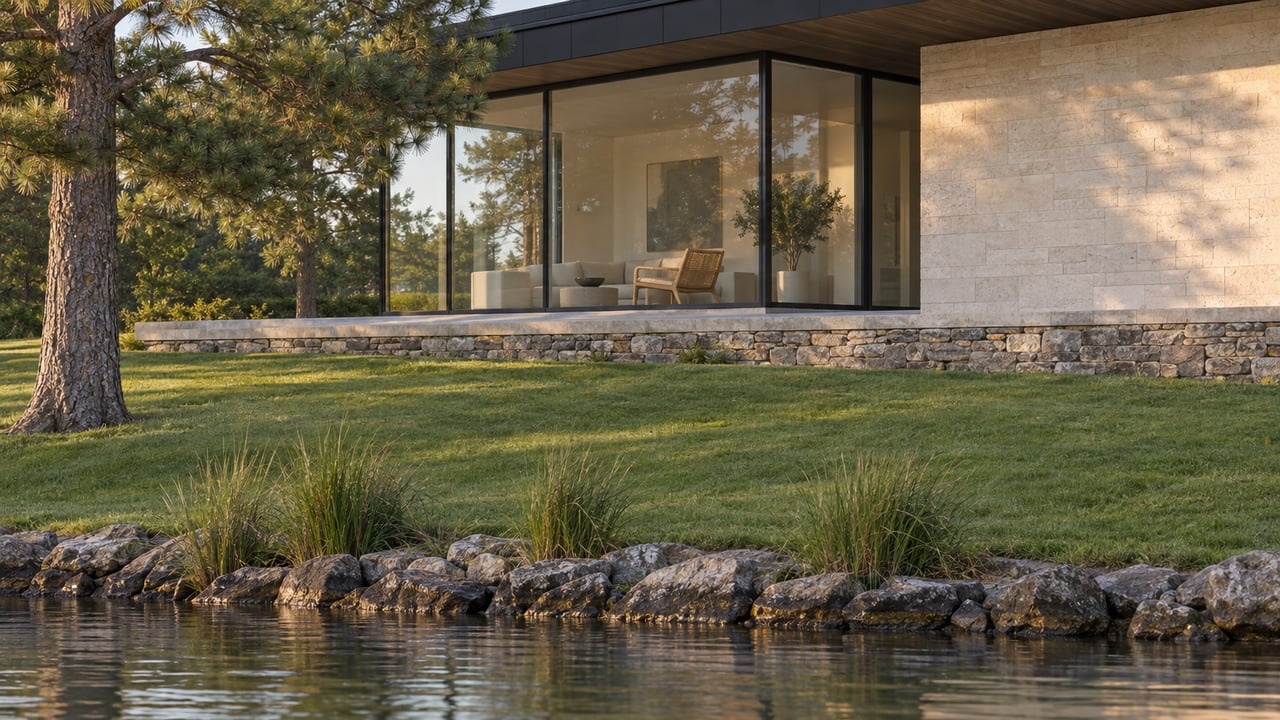
Long Lake is beautiful, narrow in stretches, and lined with many improved shorelines. That mix makes it more vulnerable to wake-driven erosion and habitat loss. The Pelican River Watershed District notes its elongated shape and common shoreline alterations, which can magnify wake impacts and sediment disturbance (lake facts and context).
Heavy wakes can undercut banks, move rip‑rap, and cloud the water. The Minnesota DNR explains that wake-driven erosion and sediment can harm fish and nearshore habitat, and that wake damage is treated like collision damage under state guidance (Own Your Wake).
Know the rules
Statewide basics
- “Slow‑no wake” means the slowest speed that maintains steerage, not over 5 mph (definition).
- Personal watercraft must operate at no more than slow‑no wake within 150 feet of shore, docks, swimmers, rafts, or an anchored or nonmotorized craft (Minnesota Statutes Ch. 86B).
- For other boats, Minnesota guidance recommends staying about 200 feet from shore or structures when practical to reduce wake impacts. Wake damage can carry the same liability as a collision (DNR guidance).
Local checks
Counties, cities, watershed districts, or lake associations can adopt slow‑no wake areas or temporary restrictions, including high‑water triggers. Always check current buoys, public notices, and access‑point signage before you launch (local control framework).
Where to boat on Long Lake
Confine high‑wake activities to the widest, deepest middle sections. Long Lake’s narrow reaches and bays concentrate wave energy near shore, which accelerates erosion. The local association encourages riders to favor mid‑lake areas and avoid repetitive passes near shore (community guidance).
Courtesy that keeps everyone safe
- Avoid running the same line over and over near shore. Make a pass, then move on.
- Slow down early when approaching shorelines, docks, anchored boats, or swimmers.
- Give canoes, kayaks, and paddleboards a wide berth. They are more easily upset by wakes.
- When towing, assign a dedicated lookout, and cross wakes at low speed and near 90 degrees.
- Use required navigation lights after dark and reduce speed near beaches and events for safety. When in doubt, check local notices and signage for any special restrictions (general safety context).
Wakesurf and enhanced‑wake tips
Wakesurfing produces larger, longer‑lasting waves. Keep it to the lake’s center and widest channels, and give shorelines, docks, shallow flats, and vegetation zones a bigger buffer than usual. The Long Lake Association has flagged wakesurf impacts as a growing concern on narrow lakes, and future rules may evolve (local perspective).
Protect property and avoid liability
Wake damage to docks, boats, and shorelines is treated like collision damage in Minnesota, which can create financial and neighbor issues if you cause harm (DNR guidance). Reduce risk by keeping distance, avoiding repetitive near‑shore runs, and slowing for people and structures.
If you experience damage as a shore owner, document time, photos, and any witnesses. If the boater is identifiable, many neighbors try a polite conversation first. For further help, contact local authorities or your insurer.
Reporting and local resources
For non‑emergency questions or to report unsafe operation and damaging wakes, contact the Becker County Sheriff’s Office Boat & Water division. Minnesota DNR conservation officers also patrol local lakes. For emergencies, call 911. You can find enforcement and education details through the sheriff’s office (Boat & Water information).
For lake‑level updates, AIS information, and stewardship resources, check the Pelican River Watershed District’s Long Lake page and the Long Lake Association for community guidance and any temporary restrictions (PRWD lake facts, Long Lake Association).
Quick checklist for your next outing
- Choose the widest, deepest mid‑lake areas for tow sports.
- Keep PWCs at slow‑no wake within 150 feet of shore and swimmers.
- Aim for about 200 feet from shore with other boats when you can.
- Avoid repetitive passes near shore.
- Slow for docks, anchored boats, and paddlers.
- Assign a spotter when towing and use lights after dark.
- Check local signage for temporary no‑wake rules.
Taking care on the water protects Long Lake today and preserves the shoreline your family values for the future. If you’re thinking about buying or selling on Long Lake, or want to understand how shoreline stewardship can support property value, connect with Monica Kaiser for local insight and expert representation.
FAQs
What is “slow‑no wake” speed in Minnesota?
- It is the slowest speed needed to maintain steerage, not more than 5 mph, as defined in Minnesota rules.
How far should I keep my boat from shore on Long Lake?
- For PWCs, stay at slow‑no wake within 150 feet of shore, docks, and swimmers. For other boats, Minnesota guidance recommends about 200 feet from shore or structures when practical to reduce wake impacts.
Where is it safest to wakesurf on Long Lake?
- Use the widest mid‑lake sections and stay well away from shore, docks, shallow flats, and vegetation zones to reduce erosion and property damage.
Who enforces wake and boating rules on Long Lake?
- Becker County Sheriff’s Boat & Water deputies and Minnesota DNR conservation officers patrol and enforce safety, speed, and wake rules on area lakes.
What should I do if a wake damages my dock or shoreline?
- Document the time, photos, and witnesses, speak with the operator if identifiable, and contact local authorities or your insurer; wake damage is treated similarly to collision damage under state guidance.